Glutamine: What You Need to Know
What glutamine is
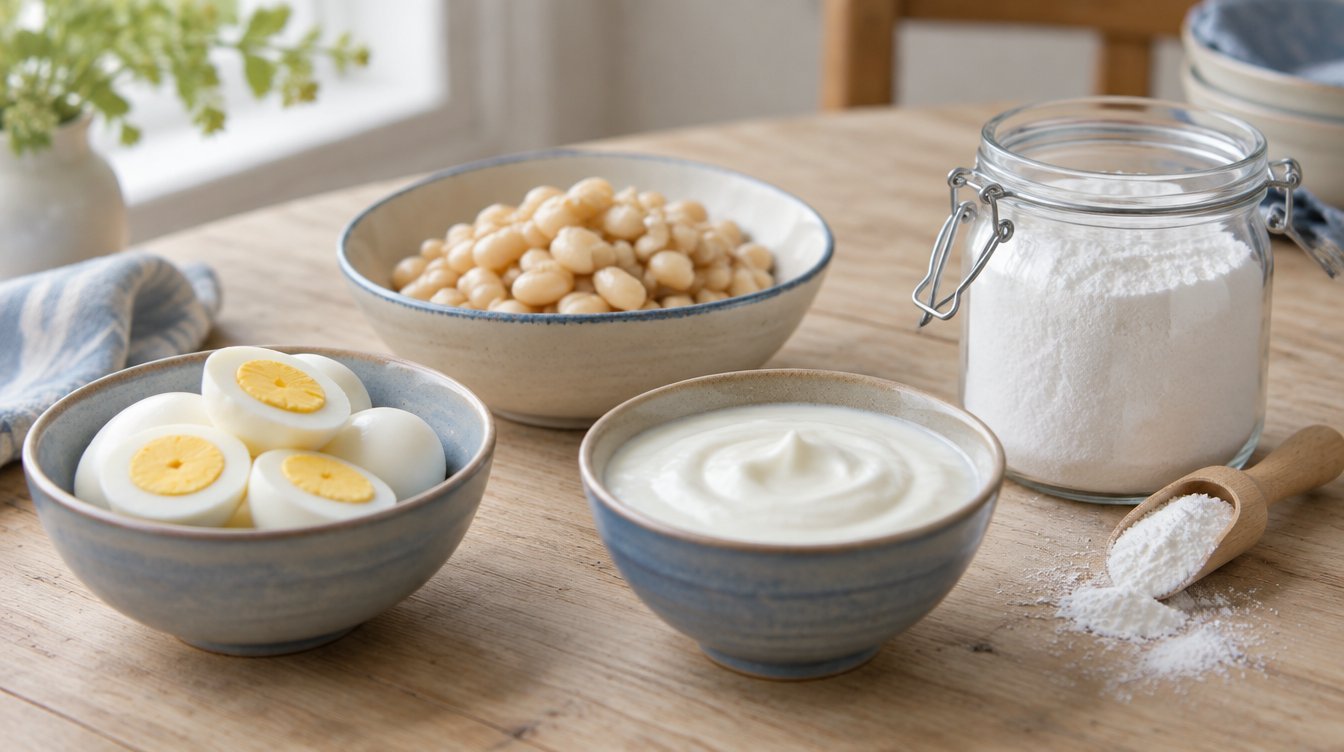
Glutamine is an amino acid, one of the building blocks of protein. Your body makes it, mostly in the muscles and lungs, and you also get it from food. Memorial Sloan Kettering lists wheat, corn, barley, peanuts, soybeans, egg whites and milk among food sources. Because it is found in many protein foods, most people take in some glutamine every day.
It is also one of the most popular gut supplements, sold as L-glutamine powder or capsules, often with promises to “heal” or “seal” the gut lining. The research is more mixed than the marketing.
Why it matters for gut health
The cells lining your intestine are constantly being replaced, and they need a lot of fuel. Glutamine is a major source of that fuel. Memorial Sloan Kettering describes it as essential for the maintenance of intestinal mucosal integrity and function, and in hospital patients after surgery, glutamine given by IV has been studied for preserving the gut barrier.
That is where the “leaky gut” idea comes in. Increased intestinal permeability is real and shows up in conditions such as celiac disease and inflammatory bowel disease. But the Cleveland Clinic notes that “leaky gut syndrome” is not currently recognized as a medical diagnosis, and there is no standard test for it. A supplement that targets it is aimed at a moving target.
What the research shows
| Use | What studies found | Strength of evidence |
|---|---|---|
| Gut permeability in adults | A 2024 meta-analysis of 10 trials (352 people) found no overall effect; a subgroup hinted at one only with very high doses | Weak; small, older studies |
| Diarrhea-type IBS after a gut infection | One 8-week trial of 106 people found 80% improved on 15 g a day vs 6% on placebo | Promising but a single trial |
| IBS alongside a low-FODMAP diet | A 6-week trial of 44 people found added benefit from 15 g a day | Early; small trial |
| Active Crohn’s disease | A Cochrane review found only two small trials (42 people) and no clear benefit | Insufficient |
| Critically ill patients | A trial of 1,223 ICU patients found higher death rates with high-dose glutamine | Evidence of harm in this group |
| Athletic performance | A 2019 meta-analysis found no effect on immunity, aerobic performance or body composition | Fairly consistent: no benefit |
| Sickle cell disease (prescription form) | FDA approved Endari, an L-glutamine oral powder, in 2017 after a 48-week trial | Strong, for this condition only |
Irritable bowel syndrome
The most interesting gut result comes from a 2019 trial in the journal Gut. Adults who developed diarrhea-predominant IBS after a stomach infection, and who had a leaky gut on testing, took 5 grams of glutamine three times a day or a placebo for 8 weeks. Of the 54 people taking glutamine, 43 had a meaningful drop in symptoms, compared with 3 of 52 on placebo, and their gut permeability returned to normal. The authors themselves call for larger trials to confirm it.
A smaller Iranian trial added 15 grams a day of glutamine or a placebo to a low-FODMAP diet for 6 weeks. Both groups improved, and the glutamine group improved more. These results apply to specific types of IBS and have not been repeated widely.
Inflammatory bowel disease
For Crohn’s disease, the 2016 Cochrane review found too little evidence to draw conclusions, and the data it had suggested glutamine may not help with active disease. Anyone with Crohn’s or ulcerative colitis should treat glutamine as something to discuss with their gastroenterologist, not a replacement for treatment.
A warning from intensive care
More is not always better. In a large 2013 trial of 1,223 critically ill adults with multiple organ failure, glutamine given early by IV and feeding tube did not reduce organ failure or infections, and deaths in the hospital and at 6 months were higher in the glutamine groups. This was a very different situation from a healthy person taking a powder, but it shows that glutamine is not harmless in every setting.
How to choose and use glutamine
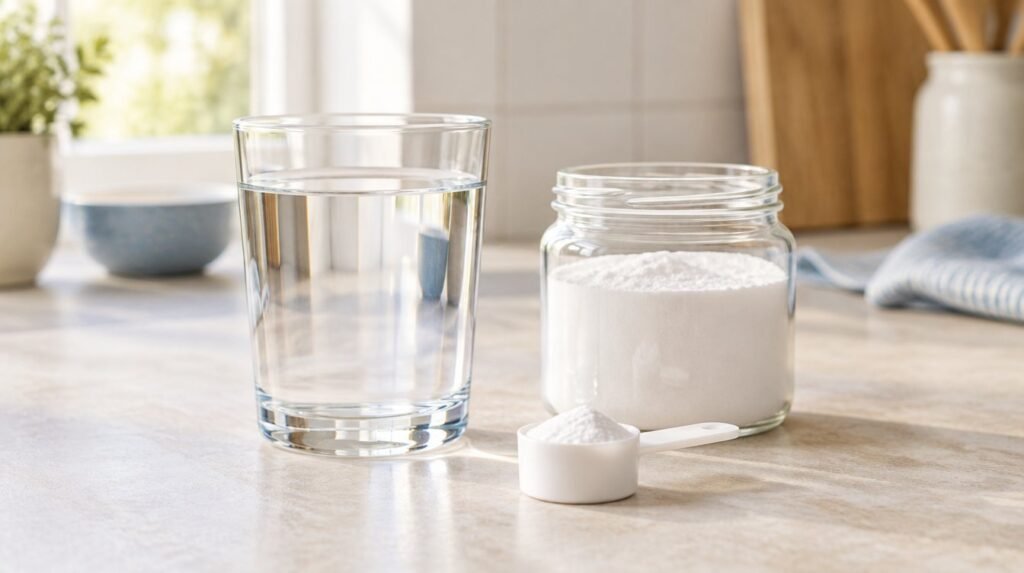
- Start with food: if you eat enough protein from foods such as eggs, dairy, beans, soy, fish or meat, you already get glutamine. Yogurt and milk also bring other nutrients; see our guide to homemade yogurt nutrition.
- Know the doses in studies: the IBS trials used 15 grams a day, split into doses.
- Check the label: look for plain L-glutamine with no proprietary blends. Remember that the FDA does not approve dietary supplements for safety or effectiveness before they are sold.
- Give it a fair, limited trial: if you and your doctor decide to try it for IBS symptoms, keep a simple symptom diary and stop if nothing changes after a few weeks.
- Don’t skip the basics: fiber, regular meals and sleep matter for everyday gut comfort too. Our guide on how to improve gut health covers them.
Who should be careful
Memorial Sloan Kettering lists side effects in some studies such as swelling, gut symptoms, headache and fever, and single case reports of liver injury after three weeks of glutamine powder and kidney injury after long-term use of 18 grams a day. It also notes that glutamine may reduce the ammonia-lowering effect of lactulose, a medicine used in serious liver disease, and that lab studies suggest some cancer cells use glutamine to grow. Talk to your doctor first if you have liver or kidney disease, have cancer, are pregnant or breastfeeding, or are seriously ill.
When to see a doctor
This article is general information, not medical advice. Ongoing belly pain, diarrhea or constipation deserves a proper diagnosis before you self-treat. The NIDDK says rectal bleeding, black or bloody stools, weight loss and anemia may point to a health problem other than IBS. Get prompt care for diarrhea that lasts more than 2 days or comes with high fever, severe pain or signs of dehydration. Our page on stomach problems has more on common causes.
Related topics
- Gut Healing Protocol: where glutamine fits in popular gut-repair plans.
- How Long Does It Take to Heal Your Gut?: realistic timelines.
- Gut Health Supplements: how glutamine compares with probiotics and fiber.
- Foods That Heal the Stomach Lining: food-first options.
- Bone Broth Benefits: another popular “gut lining” food, and its evidence.
Sources
- Glutamine (Memorial Sloan Kettering Cancer Center)
- Leaky Gut Syndrome (Cleveland Clinic)
- Abbasi F, et al. A systematic review and meta-analysis of clinical trials on the effects of glutamine supplementation on gut permeability in adults (Amino Acids, 2024)
- Zhou Q, et al. Randomised placebo-controlled trial of dietary glutamine supplements for postinfectious irritable bowel syndrome (Gut, 2019)
- Rastgoo S, et al. Glutamine Supplementation Enhances the Effects of a Low FODMAP Diet in Irritable Bowel Syndrome Management (Frontiers in Nutrition, 2021)
- Akobeng AK, et al. Glutamine for induction of remission in Crohn’s disease (Cochrane Database of Systematic Reviews, 2016)
- Heyland D, et al. A randomized trial of glutamine and antioxidants in critically ill patients (New England Journal of Medicine, 2013)
- Ramezani Ahmadi A, et al. The effect of glutamine supplementation on athletic performance, body composition, and immune function: A systematic review and a meta-analysis of clinical trials (Clinical Nutrition, 2019)
- Niihara Y, et al. A Phase 3 Trial of l-Glutamine in Sickle Cell Disease (New England Journal of Medicine, 2018)
- FDA approves new treatment for sickle cell disease (U.S. Food and Drug Administration, 2017)
- Questions and Answers on Dietary Supplements (U.S. Food and Drug Administration)
- Diagnosis of Irritable Bowel Syndrome (NIDDK)
- Symptoms & Causes of Diarrhea (NIDDK)