Foods That Heal the Stomach Lining: A Practical Guide
What the stomach lining does
Your stomach is lined with a soft tissue called the mucosa. According to Cleveland Clinic, it protects the stomach from the acid, enzymes and microbes that pass through it every day. When something irritates it for long enough, the lining becomes inflamed (gastritis) or wears down into sores (ulcers).
The lining protects itself in several layers. A 2008 review in Gastroenterology describes a coating of mucus and bicarbonate that neutralizes acid at the surface, tightly joined cells underneath, steady blood flow, and constant replacement of surface cells. Hormone-like compounds called prostaglandins help regulate several of these defenses.
That last point matters for anyone searching for foods that heal the stomach lining. The lining repairs itself all the time. The practical job is to remove what is damaging it and to eat in a way that does not get in the way.
What actually damages it
The two most common causes of peptic ulcers are infection with Helicobacter pylori (H. pylori) bacteria and regular use of NSAID pain relievers such as aspirin, ibuprofen and naproxen, according to the NIDDK. NSAIDs make the lining more prone to damage, in part because they block prostaglandin production, as the Laine review explains.
The NIDDK lists long-term exposure to NSAIDs, alcohol and bile reflux as the usual causes of reactive gastropathy, a form of lining damage with little inflammation. Drinking a large amount of alcohol can also cause acute erosive gastropathy, sudden shallow damage to the lining.
Food plays a smaller role than most people expect. The NIDDK says researchers have not found that diet plays an important role in causing, preventing or treating peptic ulcers, and that doctors do not recommend a special diet for them. For gastritis, eating and diet do not play an important role in most cases. An H. pylori infection needs medical treatment, usually antibiotics; no food replaces that.
Foods with some research behind them
With that in mind, a few foods have been studied for stomach health. None of them is a treatment. The table sums up how strong the evidence is.
| Food | What was studied | How strong |
|---|---|---|
| Fiber, fruits and vegetables | Ulcer risk in 47,806 men followed for 6 years | Observational; links, not proof |
| Broccoli sprouts | H. pylori markers in 48 infected adults over 8 weeks | One small randomized trial |
| Cranberry juice | H. pylori in 522 infected adults over 8 weeks | One large randomized trial |
| Yogurt and kefir | Probiotic supplements added to H. pylori treatment | Many trials, but of supplements, not foods |
| Chili peppers | Whether capsaicin harms or protects the lining | Older review of mostly lab, animal and population data |
High-fiber foods
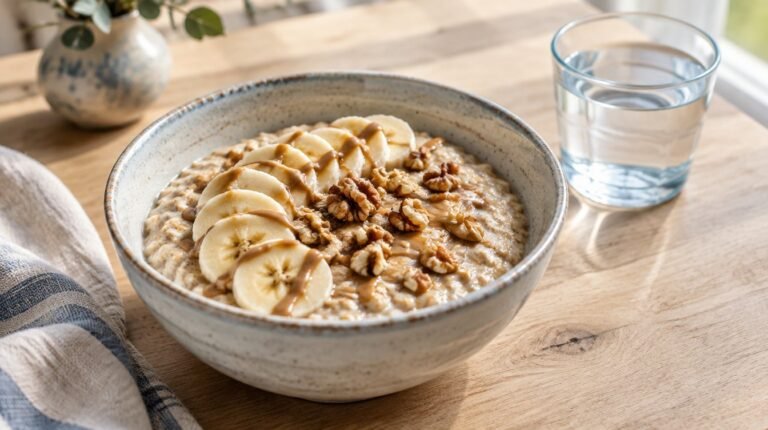
In a prospective study of 47,806 U.S. men aged 40 to 75, those who ate the most fiber had a lower risk of duodenal ulcer over 6 years than those who ate the least. Soluble fiber, found in oats, beans, barley and many fruits, showed the strongest link. Eating more fruits and vegetables pointed the same way, but that result was not statistically significant. Studies like this show an association, not cause and effect.
Broccoli sprouts
Broccoli sprouts are rich in a compound the body turns into sulforaphane. In a 2009 trial, 48 adults with H. pylori ate 70 grams of broccoli sprouts or alfalfa sprouts daily for 8 weeks. Markers of infection and stomach inflammation dropped in the broccoli group, but they returned to their starting levels 2 months after people stopped. The sprouts appeared to lower the bacterial load rather than clear the infection.
Cranberry juice
A double-blind trial of 522 adults in China, in a region with high rates of H. pylori and stomach cancer, tested cranberry juice and cranberry powder against placebos. After 8 weeks, 20% of people drinking a high-dose juice twice a day tested negative for H. pylori, compared with about 7% on placebo. The capsules did not work. The juice was standardized for its plant compounds, so a supermarket cranberry cocktail may not compare.
Yogurt and kefir
Fermented dairy is often recommended for the stomach, but the research is mostly on supplements. A 2026 meta-analysis of 32 randomized trials with 4,010 patients found that adding Lactobacillus probiotics to H. pylori antibiotic treatment raised the share of people whose infection cleared by about 10% and cut treatment side effects by about 30%, both in relative terms. Those were capsules taken with antibiotics, not yogurt on its own. Plain yogurt is still a soft, easy food for many people; see whether yogurt helps an upset stomach.
Chili peppers
Spicy food has long been blamed for ulcers. A 2006 review argued that capsaicin, the compound that makes chilis hot, does not cause ulcers and may even increase mucus and blood flow in the stomach lining. Much of that evidence comes from lab and animal work, and spicy food can still worsen symptoms for some people. Our article on whether spicy food is good for you covers the broader picture.
What to eat during a flare-up
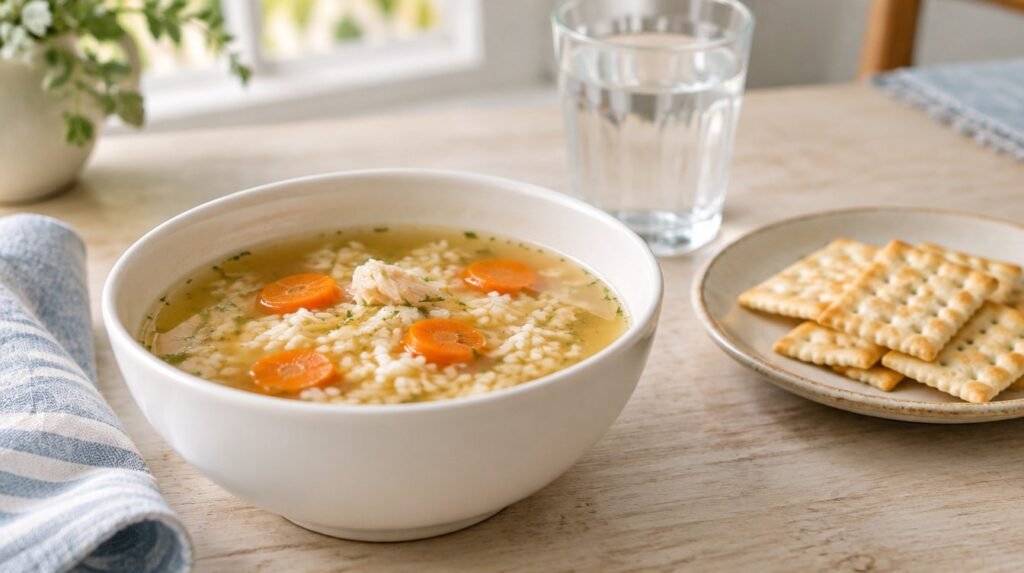
When your stomach hurts, a short-term bland diet may feel better. MedlinePlus describes it as soft, not spicy and low in fiber, and says it can be used alongside other changes to ease symptoms of ulcers, heartburn and nausea. Foods it lists include:
- Low-fat or fat-free milk and other dairy foods
- Cooked, canned or frozen vegetables, and potatoes
- Bananas, melons, applesauce and canned fruit
- White bread, crackers, pasta and refined hot cereals
- Eggs, tofu, and lean poultry or fish that is baked, steamed or grilled
- Broth-based soups and weak tea
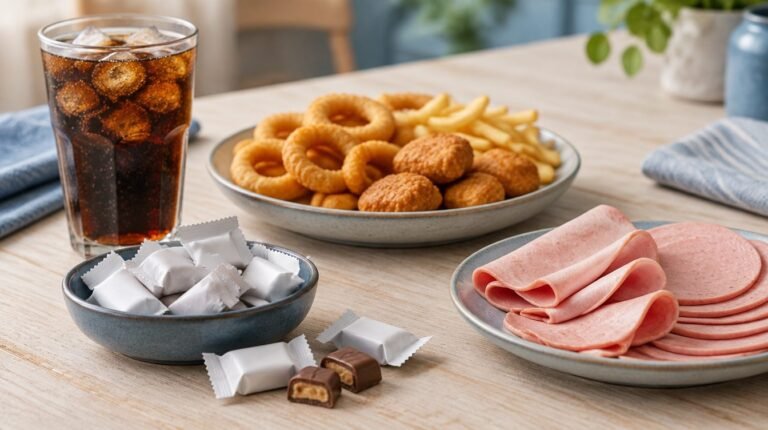
The same guidance suggests avoiding alcohol, caffeine, fried and greasy food, strong spices, and NSAID pain relievers, and eating small meals more often. Once you feel better, move back toward a varied diet with fiber, fruits and vegetables. A bland diet is meant to be temporary.
For more ideas, see our lists of easy-to-digest foods and foods that are hard to digest, and our diet for a sensitive stomach.
Habits that matter more than any single food
- Review your pain relievers. If you take NSAIDs often, ask your doctor about safer options. Do not stop a prescribed medicine on your own.
- Go easy on alcohol. Large amounts can cause acute erosions in the lining (NIDDK).
- Quit smoking. The NIDDK says quitting lowers ulcer risk and helps existing ulcers heal.
- Get tested if you have ongoing symptoms. H. pylori is common and treatable, and only a test can confirm it.
When to see a doctor
This article is general information, not medical advice. The NIDDK says to call or see a doctor right away if you have:
- Black or tarry stool, or red or maroon blood in your stool
- Red blood in your vomit, or vomit that looks like coffee grounds
- Sudden, sharp or severe belly pain that does not go away
- Dizziness, fainting or a rapid pulse
- Ulcer symptoms that change or get worse
Also see a doctor if upper belly pain, early fullness or nausea keep coming back. Our guide to common stomach problems can help you prepare questions.
Related topics
- Easy to Digest Foods: gentle options when your stomach is sore.
- Diet for Sensitive Stomach: building meals that sit well.
- Upset Stomach Remedies: what to try at home and when.
- Coffee and Gut Inflammation: what research says about your morning cup.
- Is Spicy Food Good for You?: chili peppers and digestion.
- Is Yogurt Good for Upset Stomach?: when fermented dairy helps.
Sources
- Gastritis (Cleveland Clinic)
- Laine L, et al. Gastric mucosal defense and cytoprotection: bench to bedside (Gastroenterology, 2008)
- Symptoms and Causes of Peptic Ulcers (Stomach or Duodenal Ulcers) (NIDDK)
- Eating, Diet, and Nutrition for Peptic Ulcers (Stomach or Duodenal Ulcers) (NIDDK)
- Symptoms and Causes of Gastritis and Gastropathy (NIDDK)
- Eating, Diet, and Nutrition for Gastritis and Gastropathy (NIDDK)
- Aldoori WH, et al. Prospective study of diet and the risk of duodenal ulcer in men (American Journal of Epidemiology, 1997)
- Yanaka A, et al. Dietary sulforaphane-rich broccoli sprouts reduce colonization and attenuate gastritis in Helicobacter pylori-infected mice and humans (Cancer Prevention Research, 2009)
- Li ZX, et al. Suppression of Helicobacter pylori infection by daily cranberry intake: a double-blind, randomized, placebo-controlled trial (Journal of Gastroenterology and Hepatology, 2021)
- Moore KMH, et al. Effectiveness of Lactobacillus-supplemented eradication therapy for Helicobacter pylori: a systematic review and meta-analysis of randomized controlled trials (European Journal of Clinical Pharmacology, 2026)
- Satyanarayana MN. Capsaicin and gastric ulcers (Critical Reviews in Food Science and Nutrition, 2006)
- Bland diet (MedlinePlus, U.S. National Library of Medicine)