Worst Foods for Gut Health: A Practical Guide
Worst Foods for Gut Health: The Short Answer
The worst foods for gut health, judged by how consistently research links them with poorer outcomes, are processed meat, alcohol, a diet low in fiber, ultra-processed foods and sugary drinks. Some emulsifiers and non-sugar sweeteners alter gut bacteria in early studies. “Worst” here means most consistently linked with harm, not toxic.
What Makes a Food Bad for Your Gut?
“Gut health” has no single medical definition. Here it means comfortable digestion, a balanced community of gut microbes and a lower risk of diseases such as inflammatory bowel disease (IBD) and colorectal cancer. The 2025–2030 Dietary Guidelines for Americans say a healthy diet supports a well-balanced microbiome and healthy digestion, while highly processed foods can disrupt that balance.
None of the foods below is a poison; the concern is regular, long-term intake, and much of the evidence shows links rather than proof of cause. A 2024 review in Nature Reviews Gastroenterology & Hepatology found that research on ultra-processed foods and gut disease is almost entirely observational, and research on food additives comes largely from lab and animal studies.
The Worst Foods for Gut Health, Ranked by Evidence
1. Processed Meat
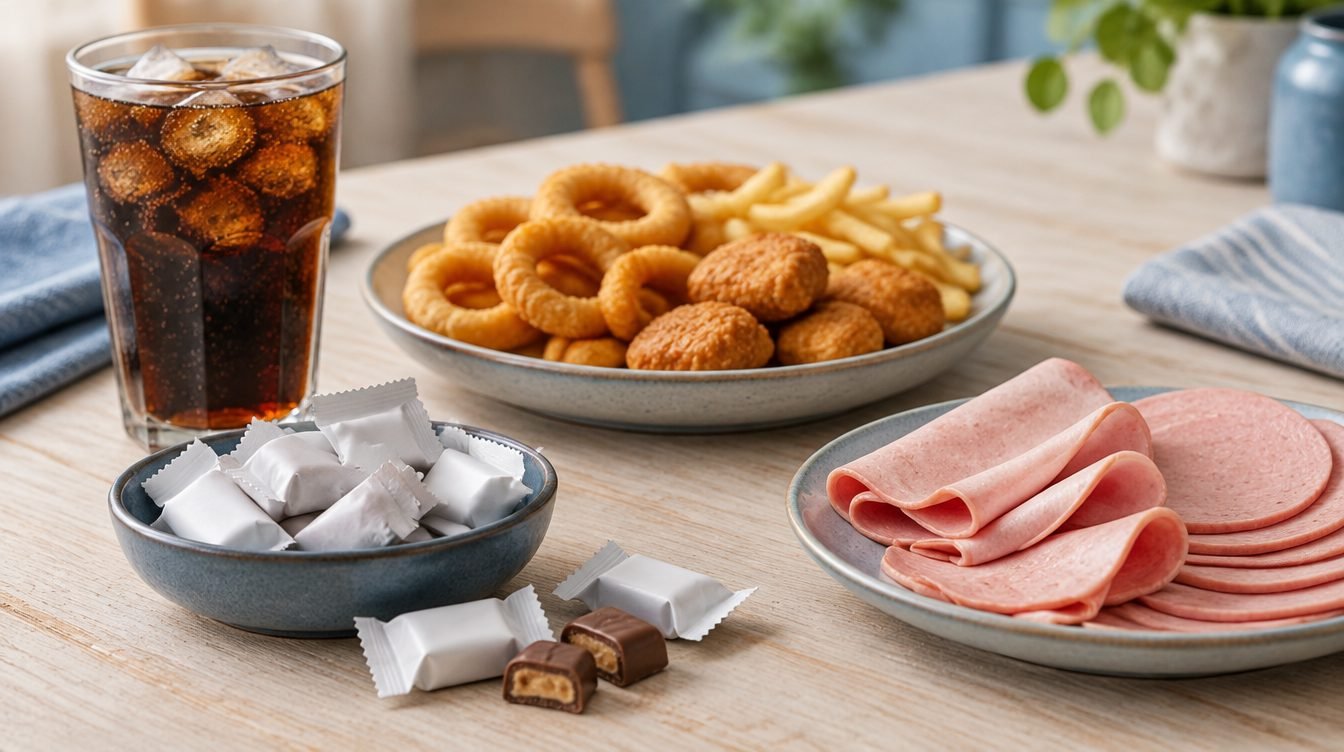
Processed meat is meat transformed by salting, curing, fermenting or smoking, as in hot dogs, ham, sausages and jerky (World Health Organization). In 2015 the WHO’s cancer agency classified it as carcinogenic to humans (Group 1), finding sufficient evidence that it causes colorectal cancer; each 50 g eaten daily raises that risk by about 18% (IARC). Red meat was rated probably carcinogenic, on limited evidence. Group 1 reflects the strength of evidence, not the size of the risk: the WHO stresses this doesn’t make it as dangerous as smoking. Evidence: strong.
2. Alcohol
The National Cancer Institute lists colorectal cancer among the cancers linked to drinking: it is 1.2 to 1.5 times as likely in moderate to heavy drinkers, and risk rises with the amount. A 2025 review in the NIAAA journal Alcohol Research: Current Reviews describes how chronic drinking disrupts the intestinal barrier and is linked with an imbalance of gut microbes, though most of that research is in animals or in people who drink heavily. Evidence: strong for colorectal cancer.
3. A Diet Low in Fiber
Some fiber feeds “good” gut bacteria, and fiber makes stool bulkier and easier to pass, lowering the chance of constipation, according to the Mayo Clinic. A high-fiber diet may also lower the risk of hemorrhoids and diverticulitis and is linked with a lower risk of colorectal cancer. Refined and processed foods are usually lower in fiber (Mayo Clinic). Evidence: consistent; the cancer finding is an association.
4. Ultra-Processed Foods
The Dietary Guidelines don’t define “highly processed foods,” but name chips, cookies and candy as examples. In one large study, 116,087 adults in 21 countries were followed for a median of 9.7 years. Compared with less than one serving a day, 1 to 4 daily servings of ultra-processed food were linked with a 67% higher risk of IBD, and 5 or more with an 82% higher risk. Red meat, dairy, fruit and vegetables showed no link (Narula et al., BMJ 2021). The 2024 review also found links with colorectal cancer and possibly irritable bowel syndrome (IBS), but noted that no study had yet tested the effect of eating or cutting out ultra-processed foods on gut health. Evidence: moderate, observational.
5. Sugary Drinks and Added Sugar
The Dietary Guidelines recommend no amount of added sugars and advise avoiding sodas, fruit drinks and energy drinks. Among 95,464 US women, drinking two or more sugary drinks a day was linked with more than twice the risk of colorectal cancer before age 50, compared with less than one a week, though only 109 women developed it (Hur et al., Gut 2021). A 2020 editorial in Nutrients describes mouse studies in which high-sugar diets reduced microbial diversity and favored bacteria linked with inflammation. Evidence: limited.
6. Some Emulsifiers
Emulsifiers keep ingredients blended in processed foods. Most evidence on their gut effects comes from lab and animal studies. In a controlled-feeding trial, 16 healthy adults ate an emulsifier-free diet with or without 15 g a day of carboxymethylcellulose (CMC) for 11 days. The CMC group had modestly more abdominal discomfort, less diverse gut bacteria and lower short-chain fatty acids in their stool; in two CMC eaters, bacteria moved into the gut’s normally sterile inner mucus layer (Chassaing et al., Gastroenterology 2022). US regulations list sodium CMC as generally recognized as safe. Evidence: early.
7. Non-Sugar Sweeteners and Sugar Alcohols
In a 2022 study in Cell, 120 adults who normally avoided non-sugar sweeteners took saccharin, sucralose, aspartame or stevia, at doses well below FDA daily allowances, or were in control groups. The sweeteners changed their gut microbes, and saccharin and sucralose affected glucose tolerance; responses varied by person, and long-term effects are unknown (Elsevier summary of Suez et al.). The Dietary Guidelines recommend no amount of non-nutritive sweeteners. Sugar alcohols such as sorbitol, xylitol and erythritol, used in sugar-free candy and gum, can cause gas, according to the National Institute of Diabetes and Digestive and Kidney Diseases (NIDDK). Evidence: early for gut bacteria.
Foods That Cause Gas Aren’t Necessarily Bad for Your Gut
Gas doesn’t mean a food is harming your gut. The NIDDK lists beans, lentils, broccoli, apples, pears, whole wheat and dairy among common causes of gas; many are high-fiber foods the Dietary Guidelines encourage. The Mayo Clinic advises adding fiber slowly over a few weeks, since too much too quickly can cause gas, bloating and cramping.
- IBS: wheat, dairy, citrus, beans, cabbage and carbonated drinks worsen symptoms for many people (Mayo Clinic). A doctor may suggest a low-FODMAP diet for a few weeks.
- Acid reflux: high-fat and spicy foods, chocolate, coffee, mint, citrus, tomatoes and alcohol can make symptoms worse (NIDDK).
- Lactose intolerance: most people can still have some lactose, and yogurt is lower in lactose than other milk products (NIDDK).
How to Eat Less of the Worst Offenders
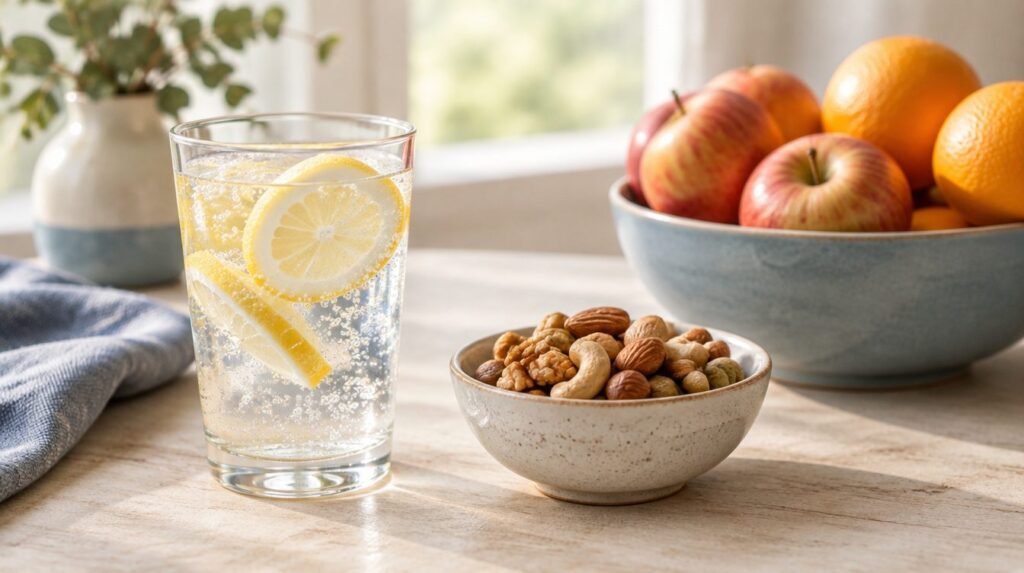
- Make processed meat occasional. Swap deli meats and sausages for chicken, fish, eggs or beans.
- Drink less alcohol. The Dietary Guidelines advise drinking less for better overall health.
- Build up fiber gradually toward Mayo Clinic’s daily targets: 25 g for women 50 or younger, 21 g after 50; 38 g for men 50 or younger, 30 g after 50. Choose whole grains over white bread.
- Replace sugary drinks with water, plain milk, or unsweetened tea or coffee, and check the “Includes Added Sugars” line on the Nutrition Facts label.
- Skip raw milk. The CDC warns it can carry germs such as E. coli, Listeria and Salmonella; see Raw Milk Yogurt.
What to Eat More Of
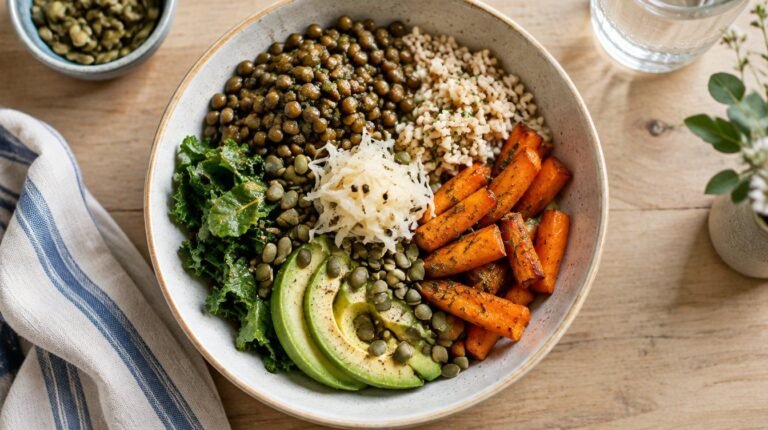
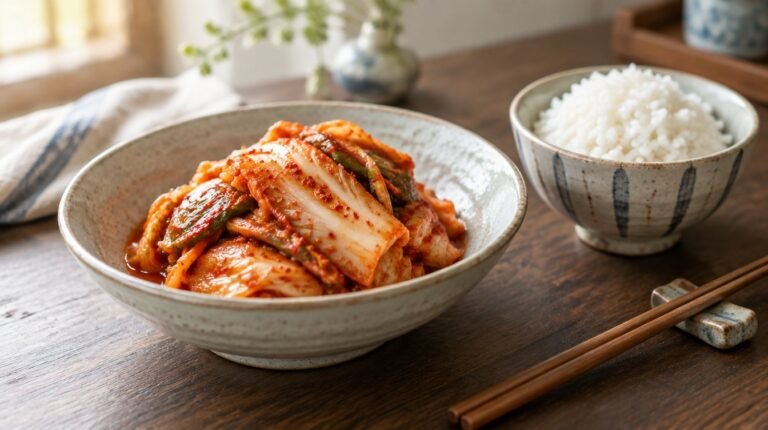
The Dietary Guidelines say vegetables, fruits, high-fiber foods and fermented foods such as sauerkraut, kimchi, kefir and miso support a diverse microbiome. In a small 10-week randomized trial of 36 healthy adults at Stanford Medicine, a high-fermented-food diet increased gut microbial diversity and lowered 19 inflammatory proteins. For ideas, see Fermented Foods for Gut Health, Best Fermented Foods for Gut Health and Foods for Gut Health.
When to See a Doctor
See a doctor about a lasting change in bowel habits, and promptly for rectal bleeding or black, tar-like stools, weight loss without trying, difficult or painful swallowing, frequent or bloody vomiting, or severe, constant abdominal pain (NIDDK; Mayo Clinic).
More on Foods for Gut Health
- Fermented Foods for Gut Health: A Practical Guide: Which fermented foods to try.
- Foods Good for Gut Health: A Practical Guide: The other side of this list.
- Gut Health Diet: A Practical Guide: Putting these choices into everyday meals.
- Probiotic Foods for Gut Health: A Buyer’s Guide: Which foods contain live microbes.
- Best Yogurt for Gut Health: Plain yogurts compared on live cultures and added sugars.
Sources
- Dietary Guidelines for Americans, 2025–2030 (U.S. Department of Agriculture and U.S. Department of Health and Human Services)
- Whelan K, Bancil AS, Lindsay JO, Chassaing B. Ultra-processed foods and food additives in gut health and disease (Nature Reviews Gastroenterology & Hepatology, 2024)
- Cancer: Carcinogenicity of the consumption of red meat and processed meat (World Health Organization, 2015)
- IARC Monographs evaluate consumption of red meat and processed meat, Press Release No. 240 (International Agency for Research on Cancer, 2015)
- Alcohol and Cancer Risk (National Cancer Institute)
- Kreimeyer H, Llorente C, Schnabl B. Influence of Alcohol on the Intestinal Immune System (Alcohol Research: Current Reviews, National Institute on Alcohol Abuse and Alcoholism, 2025)
- Dietary fiber: Essential for a healthy diet (Mayo Clinic)
- Narula N, et al. Association of ultra-processed food intake with risk of inflammatory bowel disease: prospective cohort study (BMJ, 2021)
- Hur J, et al. Sugar-sweetened beverage intake in adulthood and adolescence and risk of early-onset colorectal cancer among women (Gut, 2021, via Washington University in St. Louis research profiles)
- Satokari R. High Intake of Sugar and the Balance between Pro- and Anti-Inflammatory Gut Bacteria (Nutrients, 2020)
- Chassaing B, et al. Randomized Controlled-Feeding Study of Dietary Emulsifier Carboxymethylcellulose Reveals Detrimental Impacts on the Gut Microbiota and Metabolome (Gastroenterology, 2022, via Penn State research portal)
- 21 CFR 182.1745 Sodium carboxymethylcellulose (Electronic Code of Federal Regulations)
- Artificial sweeteners can affect your gut bacteria, researchers find (Elsevier, 2023, summarizing Suez J, et al., Cell, 2022)
- Eating, Diet, & Nutrition for Gas in the Digestive Tract (National Institute of Diabetes and Digestive and Kidney Diseases)
- Irritable bowel syndrome: Symptoms and causes (Mayo Clinic)
- Eating, Diet, & Nutrition for Irritable Bowel Syndrome (National Institute of Diabetes and Digestive and Kidney Diseases)
- Eating, Diet, & Nutrition for GER & GERD (National Institute of Diabetes and Digestive and Kidney Diseases)
- Eating, Diet, & Nutrition for Lactose Intolerance (National Institute of Diabetes and Digestive and Kidney Diseases)
- Added Sugars on the Nutrition Facts Label (U.S. Food and Drug Administration)
- Raw Milk (Centers for Disease Control and Prevention)
- Wastyk HC, et al. Gut-microbiota-targeted diets modulate human immune status (Cell, 2021, via PubMed)
- Fermented-food diet increases microbiome diversity, decreases inflammatory proteins, study finds (Stanford Medicine, 2021)
- Symptoms & Causes of Indigestion (National Institute of Diabetes and Digestive and Kidney Diseases)