Yogurt Foamed During Culturing: Causes and Fixes
Why homemade yogurt gets a foam cap or bubbles while it cultures, when it is harmless, and when the batch should go in the trash.

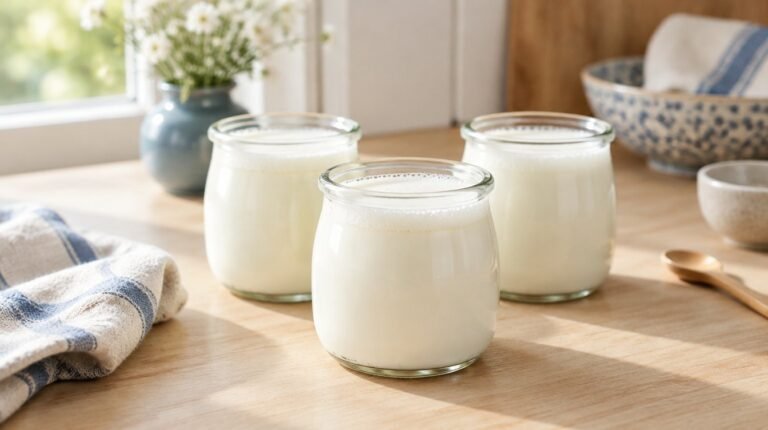
Why homemade yogurt gets a foam cap or bubbles while it cultures, when it is harmless, and when the batch should go in the trash.

Why coconut yogurt splits into a hard fat layer and thin liquid, how to rescue the batch, and how to keep the next one smooth.

Why L. reuteri yogurt often stays thin, how to get a thicker batch with half-and-half and the right temperature, and when to throw it out.

Why whey pools on homemade yogurt in the fridge, what to do with the batch you have, how to prevent it, and when to throw yogurt out.
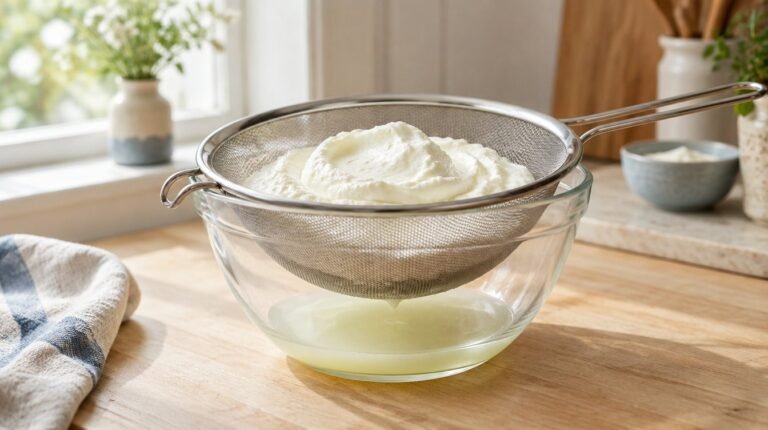
Why homemade yogurt can take hours longer to strain than expected, how to speed it up safely in the fridge, and when to throw a batch out.
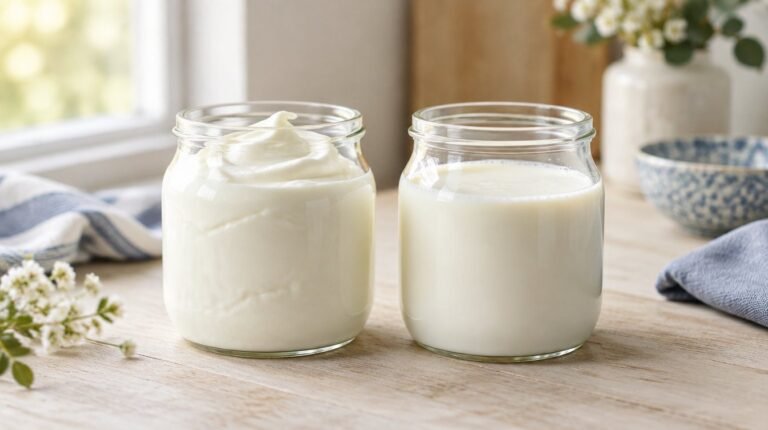
When the first batch of yogurt set and the second failed, the starter, milk or temperature changed. How to find the cause and fix it.
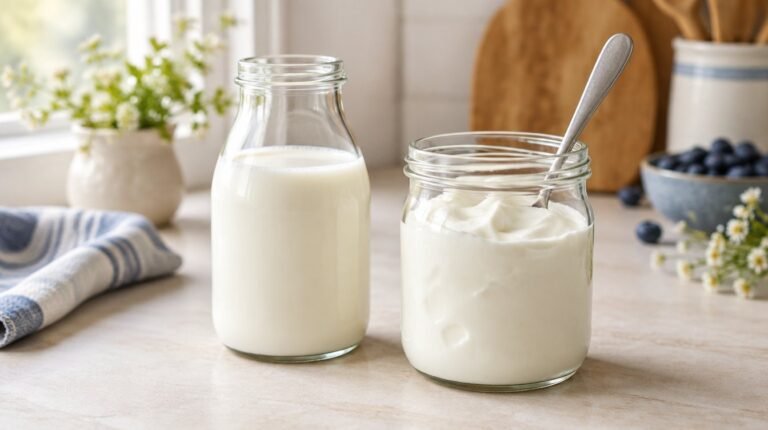
Milk still liquid after 36 hours means the culture never started. Why it happens, why the batch must go, and how to make the next one set.

Pink or orange spots in homemade yogurt usually mean pigmented yeast or bacteria. Why it happens, what to do, and how to keep the next batch clean.

A bready or boozy smell in homemade yogurt usually means wild yeast. Where it comes from, how to start clean, and when to toss it.

Ultra-pasteurized milk can make yogurt. Why a batch stays liquid, how to fix the next one, and when to throw it out.