Miso Benefits: What the Evidence Shows
Miso is a fermented soy paste with some live microbes and promising but mostly observational research, plus a lot of sodium.

Which foods support digestion and which can make things worse, with a focus on fermented foods, fiber and practical everyday eating.
Start here: Easy to Digest Foods: A Practical Guide
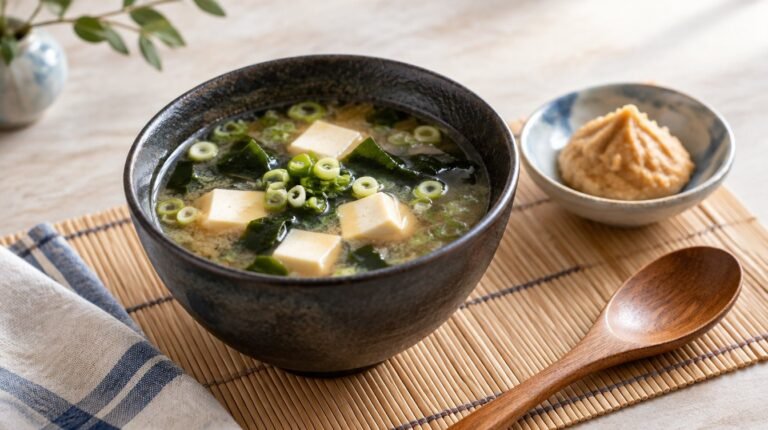
Miso is a fermented soy paste with some live microbes and promising but mostly observational research, plus a lot of sodium.

Yes: a jar of overnight oats has about 4 grams of fiber from the oats alone, and chia and berries can triple it.

Prebiotic soda is a low-sugar fizzy drink with added plant fiber such as inulin. Here is what is in a can and what the research shows.

What an all-meat diet does to gut bacteria, fiber and digestion, what the limited research shows, and how to approach it more safely.

Raw sauerkraut keeps its live bacteria. Learn how it differs from canned kraut, what the research shows and how to buy or make it.

Kefir, kombucha and other fermented drinks explained: what they are, what the gut research shows, and how to choose one wisely.
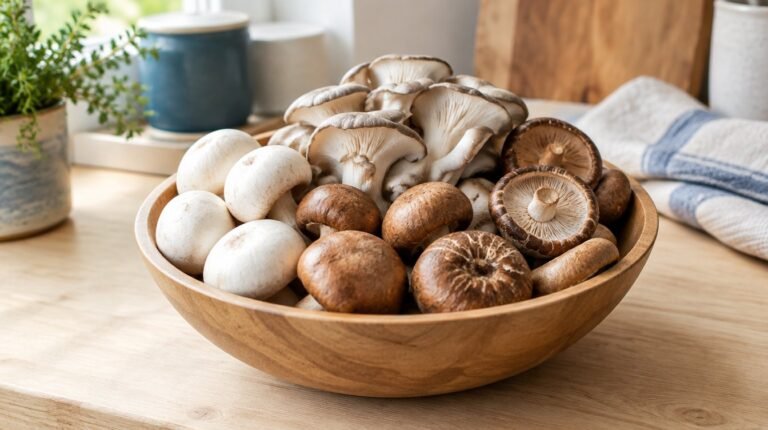
Most mushrooms have only 1 to 3 grams of fiber per serving. Here is how common types compare and how to use them in a high-fiber diet.

Start with 1 to 2 tablespoons of raw sauerkraut a day and work up to 1/4 to 1/2 cup. Here is what studies used and why sodium sets the limit.
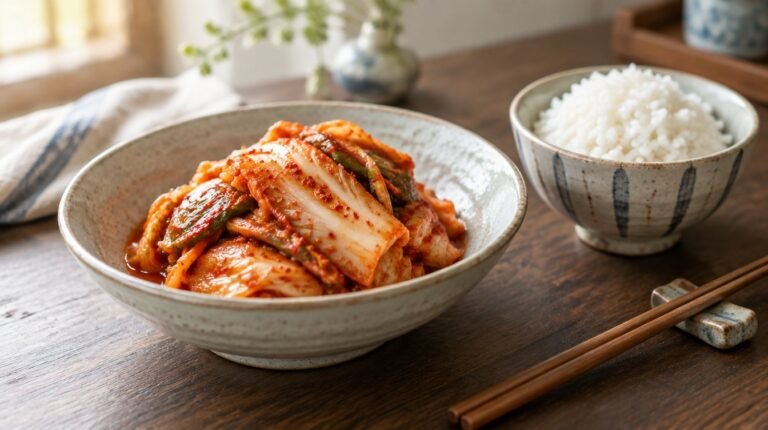
Kimchi is a Korean dish of salted, seasoned vegetables fermented by lactic acid bacteria. Here is what is in it, how it is made and how to eat it.

What the BRAT diet is, why doctors no longer recommend a strict version, and a gentler way to eat and drink after a stomach bug.