BRAT Diet: A Practical Guide
What the BRAT diet is
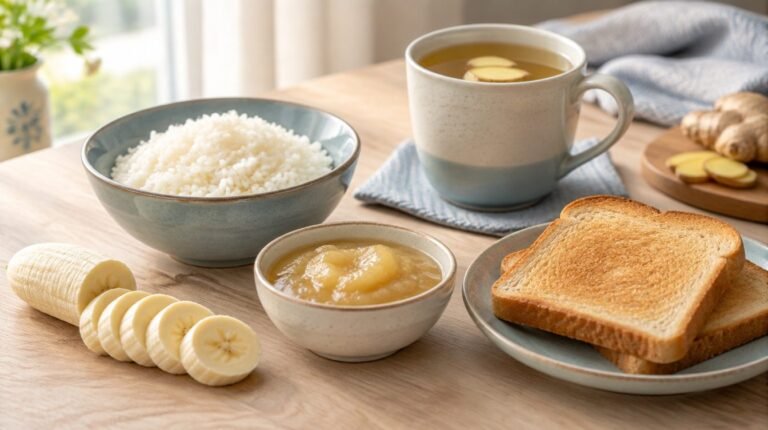
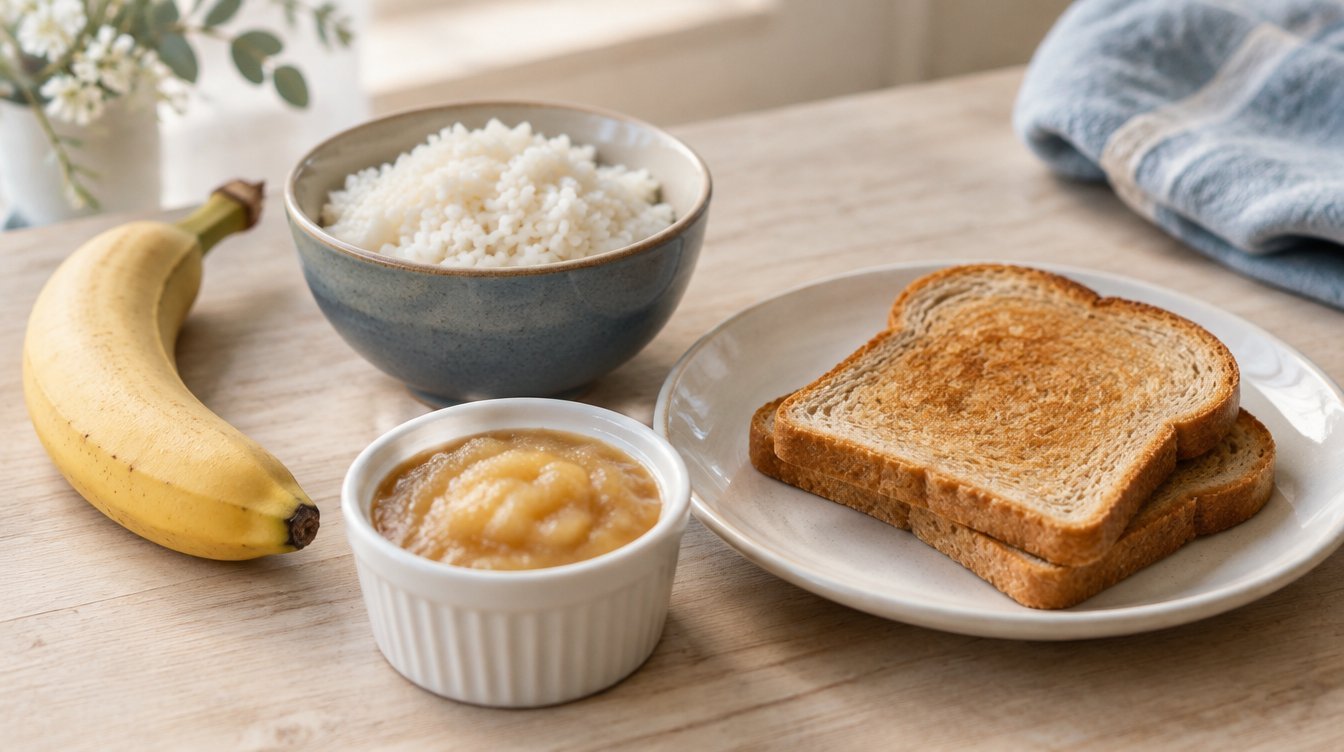
BRAT stands for bananas, rice, applesauce and toast. All four foods are soft, bland and low in fiber, which may help settle your stomach for a day or so after a bout of diarrhea, vomiting or food poisoning, according to Cleveland Clinic.
For decades it was the standard advice for an upset stomach. Today, doctors see it differently. The BRAT diet can be a handy reminder of a few gentle foods, but Cleveland Clinic says a strict version lacks essential nutrients and is no longer recommended.
Why doctors moved away from it
The shift began with children. In a 2003 CDC report on managing stomach bugs in kids, the authors called the BRAT diet “unnecessarily restrictive” and said it can provide suboptimal nutrition. They also called withholding food for more than 24 hours inappropriate, and noted that feeding early can shorten illness and improve nutrition.
The American Academy of Pediatrics now says the BRAT diet is no longer considered useful for children recovering from diarrhea, because the foods are low in fiber, protein and fat. Some pediatricians think it may even make symptoms last longer.
Adult advice has followed. The NIDDK says most experts don’t recommend a restricted diet or fasting for acute diarrhea, and that in most cases you can go back to your normal diet when you feel like eating again.
What the four foods give you
The table shows one typical serving of each BRAT food, using USDA FoodData Central values. Even eating all four in one day adds up to very little.
| Food (serving) | Calories | Protein | Fiber | Notable |
|---|---|---|---|---|
| Banana (126 g) | 112 | 1.4 g | 3.3 g | 451 mg potassium |
| White rice, cooked (1 cup, 158 g) | 205 | 4.3 g | 0.6 g | Almost no fat |
| Applesauce, unsweetened (1/2 cup, 122 g) | 51 | 0.2 g | 1.3 g | Very low in fat and protein |
| White toast (1 oz, 28 g) | 82 | 2.6 g | 0.8 g | 152 mg sodium |
| Total | About 450 | 8.4 g | 6.1 g | About 2 g of fat |
That is fine for a day when you can barely eat. It is not enough to live on. Cleveland Clinic notes that the BRAT diet is missing calcium, vitamin B12, protein and fiber, and recommends not following it for more than a day or two.
How to use it sensibly
Think of BRAT as a starting point, not a rulebook. A gentler plan for adults looks like this:
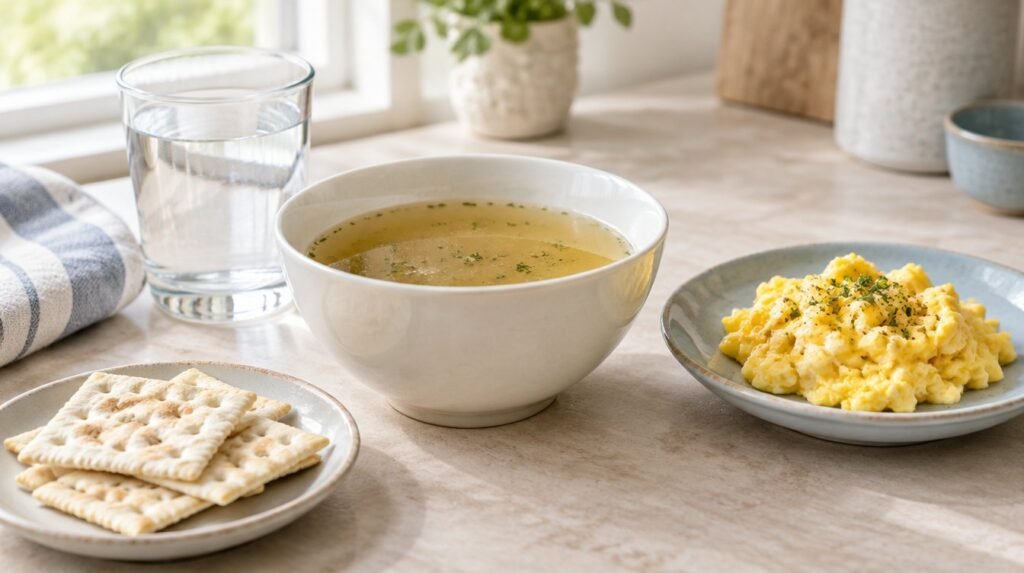
- Fluids first. Replace lost fluids and electrolytes with water, broth, sports drinks or an oral rehydration solution (NIDDK). If you are vomiting, sip slowly. Older adults, people with a weak immune system, and people with diabetes, kidney disease or other health conditions should talk with their doctor before using rehydration solutions.
- Start bland when you can eat. Bananas, rice, applesauce and toast are fine, and so are broth-based soups, oatmeal, dry cereal, boiled potatoes and saltine crackers (Cleveland Clinic).
- Add protein soon. As your stomach settles, add scrambled eggs, skinless chicken or turkey and cooked vegetables (Cleveland Clinic).
- Go back to normal eating. When your appetite returns, you can usually go back to your normal diet, even if you still have diarrhea (NIDDK).
While you recover, the NIDDK suggests avoiding alcohol, caffeine, fatty and fried foods, foods and drinks high in simple sugars, and sugar alcohols such as those in sugarless gum. The NHS adds that fruit juice and fizzy drinks can make diarrhea worse. Some people have trouble digesting lactose for a month or more after a bout of acute diarrhea, so go easy on milk if it bothers you.
For a longer food list, see what to eat when your stomach is upset with diarrhea and our guide to easy-to-digest foods.
Children and babies
For kids, the advice is to skip the BRAT diet entirely. The AAP says children can ideally go back to a normal, balanced diet for their age within 24 hours of getting sick, including fruits, vegetables, meat, yogurt and complex carbohydrates. Babies should keep having breast milk or formula as usual (NIDDK).
Keep children drinking. The NIDDK suggests water, oral rehydration solutions, broths and sports drinks for children, and says to talk with a doctor before giving a rehydration solution to an infant. Check with your child’s doctor before giving any medicine for diarrhea.
Where yogurt fits
Yogurt is not one of the four BRAT foods, but it shows up in the AAP’s list of foods for a recovering child. It adds the protein and calcium BRAT foods lack. If dairy seems to make things worse, wait a few days, since lactose can be hard to digest after diarrhea. Our article on whether yogurt is good for an upset stomach looks at the evidence.
When to see a doctor
This article is general information, not medical advice. Most stomach bugs pass on their own; the NHS says diarrhea usually stops within 5 to 7 days and vomiting within 1 or 2 days. The NIDDK says to talk with a doctor right away if you or someone in your care has:
- Signs of dehydration, such as extreme thirst, dark urine, urinating less, dizziness or sunken eyes
- Frequent vomiting
- Severe pain in the belly or rectum
- Stools that are black and tarry or contain blood or pus
- A change in mental state, such as irritability or lack of energy
- In adults: diarrhea lasting more than 2 days, a high fever, or six or more loose stools a day
- In infants and children: diarrhea lasting more than a day, any fever in an infant, or refusing to drink for more than a few hours
People who are pregnant, over 65, taking antibiotics or have a weakened immune system should keep in touch with their doctor during any bout of diarrhea.
Common questions
How long should you follow the BRAT diet?
For adults, no more than a day or two, because it lacks protein, calcium, vitamin B12 and fiber (Cleveland Clinic).
Is the BRAT diet good for children?
No. The AAP says it is no longer considered useful, and children can ideally return to their usual diet within 24 hours (HealthyChildren.org).
What should you drink with diarrhea?
Water, broth, sports drinks and oral rehydration solutions help replace lost fluids and electrolytes (NIDDK).
Can you eat yogurt after a stomach bug?
Many people can, and it adds protein the BRAT foods lack. If dairy seems to worsen diarrhea, wait a few days, since lactose can be hard to digest afterward.
Related topics
- What to Eat When Your Stomach Is Upset With Diarrhea: a fuller food list.
- What to Eat When Your Stomach Is Upset: gentle choices for nausea and pain.
- Easy to Digest Foods: foods that sit lightly.
- Upset Stomach Remedies: home steps and when they make sense.
- Is Yogurt Good for Upset Stomach?: what the research says.
Sources
- Why You Shouldn’t Follow a Strict BRAT Diet When You’re Sick (Cleveland Clinic)
- King CK, et al. Managing acute gastroenteritis among children: oral rehydration, maintenance, and nutritional therapy (MMWR Recommendations and Reports, CDC, 2003)
- Diarrhea in Children: What Parents Need to Know (HealthyChildren.org, American Academy of Pediatrics)
- Eating, Diet, and Nutrition for Diarrhea (NIDDK)
- Treatment of Diarrhea (NIDDK)
- Symptoms and Causes of Diarrhea (NIDDK)
- Diarrhoea and vomiting (NHS)
- Bananas, raw (FDC ID 173944) (USDA FoodData Central)
- Rice, white, long-grain, regular, enriched, cooked (FDC ID 168878) (USDA FoodData Central)
- Applesauce, canned, unsweetened, without added ascorbic acid (FDC ID 171695) (USDA FoodData Central)
- Bread, white, commercially prepared, toasted (FDC ID 174925) (USDA FoodData Central)