Foods That Are Hard to Digest: A Practical Guide
What makes a food hard to digest?
Foods that are hard to digest are foods that take more work for your gut or produce more gas as they break down. The usual culprits are high-fat and fried foods, tough or high-fiber plant foods, certain fermentable carbohydrates called FODMAPs, lactose for people who are lactose intolerant, spicy food, alcohol and fizzy drinks. Which ones bother you depends a lot on your own gut.
“Hard to digest” is not a medical diagnosis. It is a practical label, and NIDDK points out that the foods that trigger digestive symptoms vary from person to person. The sections below explain why each group tends to cause trouble and what you can do about it.
Why some foods are harder on the gut
High-fat and fried foods
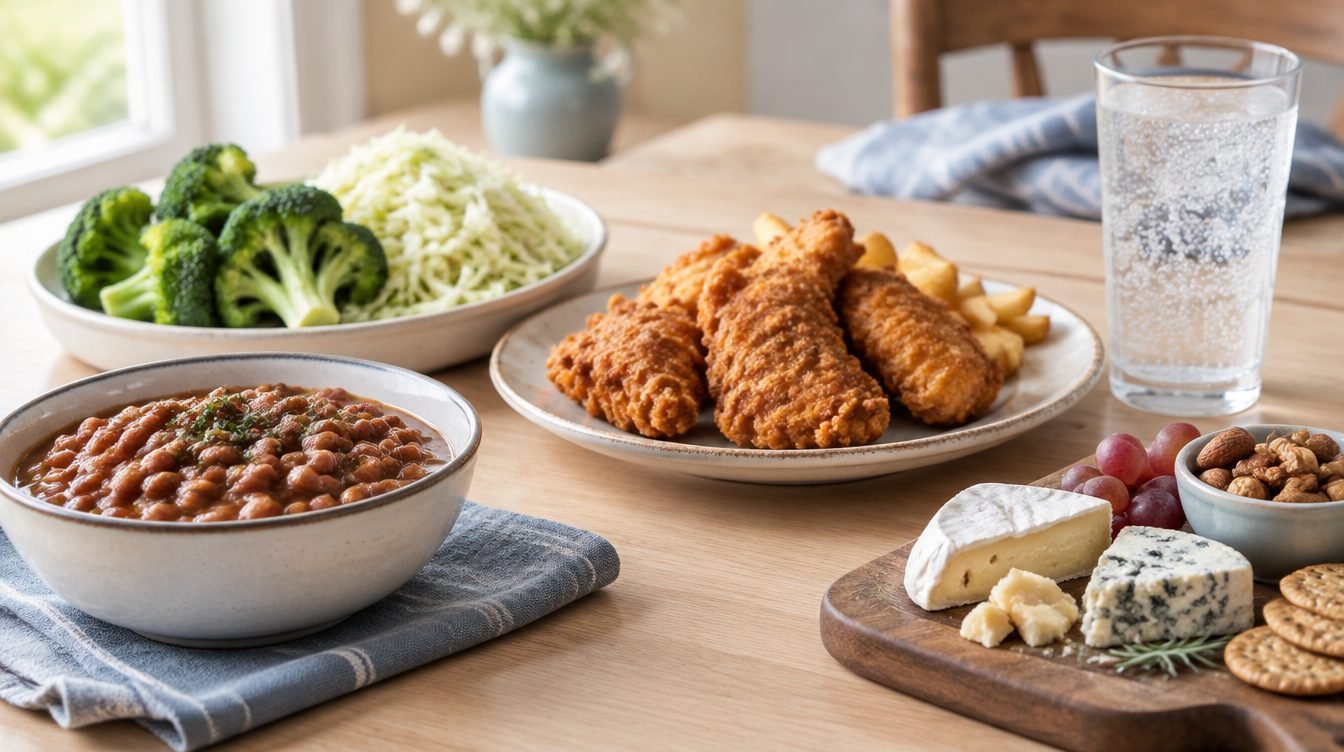
Fat slows the rate at which the stomach empties. In a small experiment with seven healthy men, adding 60 grams of margarine to a bowl of consommé stretched the time for half the meal to leave the stomach from about 15 minutes to about 88. Mayo Clinic adds that fat gives food more time to ferment, which can add to gas. That is why fried food, pizza and fast food appear on NIDDK’s list of foods that may make diarrhea worse.
Insoluble fiber and tough textures
Insoluble fiber does not dissolve in water and adds bulk to stool. Mayo Clinic names whole-wheat flour, wheat bran, nuts, beans and cauliflower as sources. Tough skins, seeds, popcorn, raw vegetables and gristly meat take more chewing and breaking down, which is why they sit on the “avoid” side of clinical soft food diets.
FODMAPs
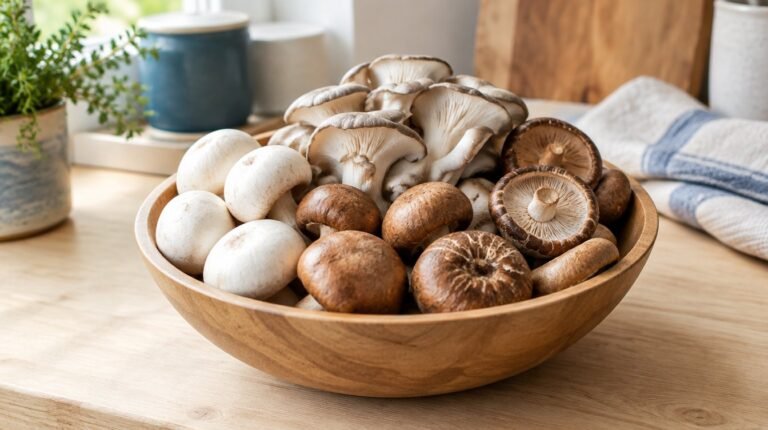
FODMAPs are a group of carbohydrates that NIDDK describes as hard to digest. High-FODMAP foods include apples, pears, watermelon, garlic, onions, beans, lentils, mushrooms and wheat. NIDDK separately names cruciferous vegetables, legumes and whole grains among common causes of gas, and a low-FODMAP plan may help some people with irritable bowel syndrome.
Lactose, if you are lactose intolerant
NIDDK estimates that about 36% of people in the United States do not fully digest lactose, the natural sugar in milk, although not all of them get symptoms. For those who do, large servings of milk or ice cream can cause bloating, gas and diarrhea. Many can still handle about 12 grams of lactose, about the amount in 1 cup of milk, with mild or no symptoms.
Spicy food, alcohol and carbonation
These do not slow digestion the way fat does, but they can bother a sensitive gut or add gas. NIDDK lists spicy foods, alcohol, coffee and high-fat foods among common reflux triggers. Carbonated drinks release gas in the stomach, and Mayo Clinic suggests limiting fizzy drinks and beer if you belch a lot. Sugar-free products with sweeteners ending in “-ol,” such as sorbitol, can also cause gas. For more on chili heat, see Is Spicy Food Good for You?.
Common foods that are hard to digest
| Food | Why it can be hard | Gentler swap or fix |
|---|---|---|
| Fried foods, pizza, fast food | High fat slows stomach emptying | Baked, grilled or poached versions; smaller portions |
| Beans, lentils, peas | Fermentable carbohydrates (FODMAPs) and fiber | Soak and cook dried beans well; start with small servings |
| Broccoli, cabbage, cauliflower, onions | Fermentable fiber and FODMAPs | Cook until soft; eat smaller amounts |
| Whole grains, bran, popcorn | Insoluble fiber and tough hulls | Increase slowly; try oats or cooked grains first |
| Milk, ice cream, soft cheese | Lactose (if you are lactose intolerant) | Lactose-free milk, plain yogurt, hard cheese |
| Apples, pears, dried fruit | FODMAPs, skins and concentrated fiber | Peeled or cooked fruit, applesauce, ripe banana |
| Sugar-free gum and candy | Sugar alcohols such as sorbitol | Regular versions in small amounts, or skip |
| Spicy dishes, alcohol, soda | Irritation, reflux and gas for some people | Milder seasoning; water or caffeine-free tea |
Hard to digest does not mean unhealthy
Several foods on this list are among the most nutritious things you can eat. A large Lancet review of 185 prospective studies and 58 clinical trials found that people who ate the most fiber had 15% to 30% lower rates of heart disease, stroke, type 2 diabetes and colorectal cancer than people who ate the least. Most of that evidence is observational, so it shows a link, not proof, but the pattern is consistent.
Whole grains keep their fiber-rich bran and nutrient-rich germ, which refining strips away, according to Harvard’s Nutrition Source. Beans are a similar story. Their reputation for gas may be bigger than the reality: in three small feeding studies where adults ate about half a cup of beans a day for 8 to 12 weeks, fewer than half reported more gas in the first week, and reports generally fell over the following weeks, though not for everyone. The results were self-reported and varied by bean type.
So the goal is usually not to cut these foods for good. It is to prepare them well, eat portions your gut can handle and build up gradually. If you want lists of gentler options for a bad day, see our guide to easy to digest foods.
How to make hard-to-digest foods easier

- Cook vegetables until tender. Mayo Clinic suggests simmering, steaming, stewing or braising to soften foods. Peeling and removing seeds helps too.
- Soak and cook dried beans thoroughly. In one lab study of pinto beans, soaking for 16 hours removed about 10% of the gas-producing oligosaccharides, and cooking for 90 minutes removed about 52%. It was a lab study, but the direction is useful: cooking does more than soaking alone.
- Start small and build up. Mayo Clinic recommends adding fiber gradually over a few weeks and drinking plenty of water, because a sudden jump can cause gas, bloating and cramping.
- Keep portions modest. NIDDK suggests smaller, more frequent meals for people who struggle with gas.
- Eat slowly and chew well. Eating slowly while seated means swallowing less air.
- Choose lower-lactose dairy if milk bothers you. NIDDK notes that yogurt and hard cheeses such as cheddar and Swiss contain less lactose, and that lactose-free milk is just as nutritious. Our guide to the best milk for gut health compares options.
- Test one food at a time. Mayo Clinic suggests removing one food at a time to see whether gas improves, instead of cutting many foods at once.
If you have a sensitive stomach most of the time, our guide to a diet for a sensitive stomach puts these steps into a daily eating pattern.
When to see a doctor
This article is general information, not medical advice. Occasional gas or fullness after a heavy meal is common. See a doctor if symptoms keep coming back despite diet changes, or if you notice any of the signs Mayo Clinic and NIDDK flag as reasons to get checked:
- Severe or persistent belly pain, or pain with ongoing diarrhea or changes in your stools.
- Blood in your stool, or black, tarry stools.
- Weight loss you did not intend, or loss of appetite.
- Trouble or pain when swallowing, frequent vomiting or vomit that contains blood.
- Chest, jaw, neck or arm pain, or shortness of breath. NIDDK says to see a doctor right away for these.
Related topics
- Easy to Digest Foods: the gentler choices to lean on when your stomach is upset.
- Diet for a Sensitive Stomach: a practical eating pattern and sample menu.
- What to Eat When Your Stomach Hurts from Gas: foods that may ease gas pain.
- Worst Foods for Gut Health: a different question, and why it is not the same list.
- Best Foods for Gut Health: nutritious foods worth building up to.
Sources
- Eating, Diet, & Nutrition for Indigestion (National Institute of Diabetes and Digestive and Kidney Diseases)
- Houghton LA, et al. Effect of incorporating fat into a liquid test meal on the relation between intragastric distribution and gastric emptying in human volunteers (Gut, 1990)
- Belching, gas and bloating: Tips for reducing them (Mayo Clinic)
- Eating, Diet, & Nutrition for Diarrhea (National Institute of Diabetes and Digestive and Kidney Diseases)
- Dietary fiber: Essential for a healthy diet (Mayo Clinic)
- What To Eat on a Soft Food Diet (Cleveland Clinic)
- Eating, Diet, & Nutrition for Irritable Bowel Syndrome (National Institute of Diabetes and Digestive and Kidney Diseases)
- Eating, Diet, & Nutrition for Gas in the Digestive Tract (National Institute of Diabetes and Digestive and Kidney Diseases)
- Definition & Facts for Lactose Intolerance (National Institute of Diabetes and Digestive and Kidney Diseases)
- Eating, Diet, & Nutrition for Lactose Intolerance (National Institute of Diabetes and Digestive and Kidney Diseases)
- Eating, Diet, & Nutrition for GER & GERD (National Institute of Diabetes and Digestive and Kidney Diseases)
- Reynolds A, et al. Carbohydrate quality and human health: a series of systematic reviews and meta-analyses (The Lancet, 2019)
- Whole Grains (The Nutrition Source, Harvard T.H. Chan School of Public Health)
- Winham DM, et al. Perceptions of flatulence from bean consumption among adults in 3 feeding studies (Nutrition Journal, 2011)
- Low-fiber diet do’s and don’ts (Mayo Clinic)
- Song D, et al. Enzymatic degradation of oligosaccharides in pinto bean flour (Journal of Agricultural and Food Chemistry, 2006)
- Symptoms & Causes of Indigestion (National Institute of Diabetes and Digestive and Kidney Diseases)