Total Restore Reviews: An Honest Assessment
The short answer
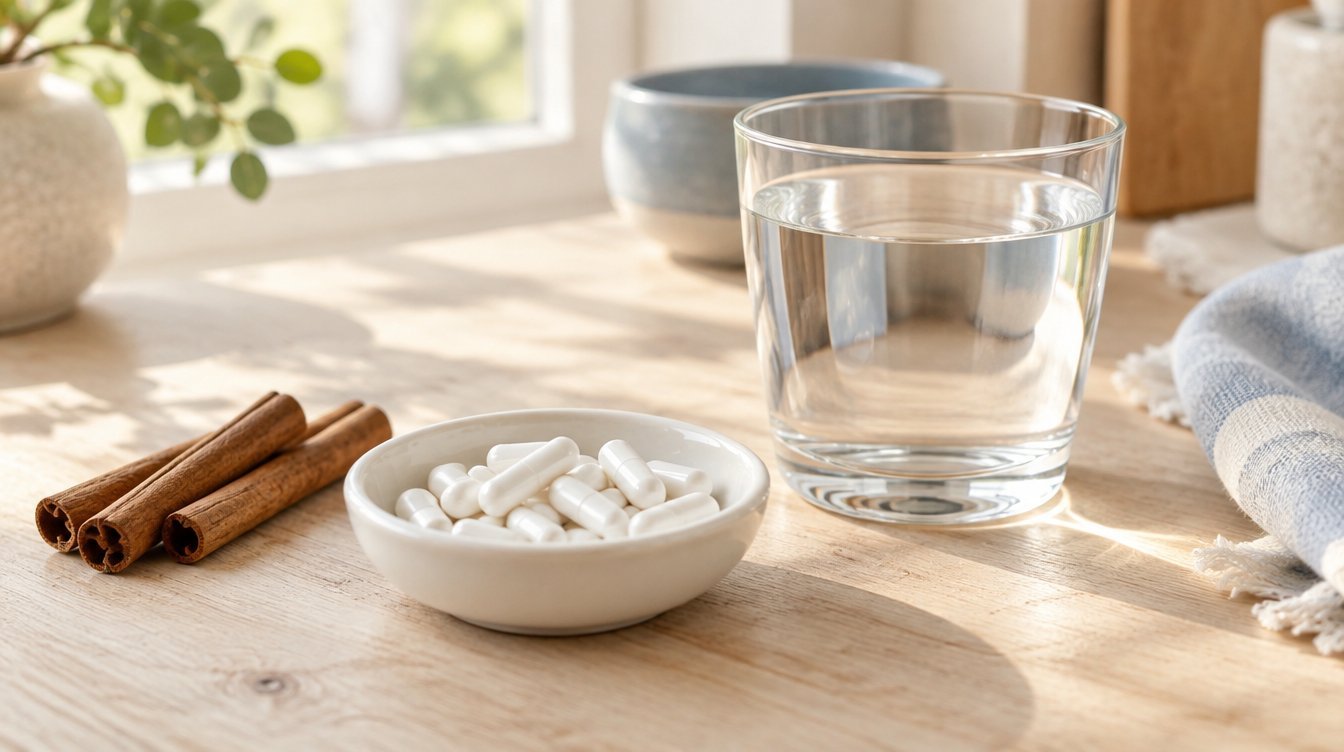
Total Restore is a three-capsule daily supplement from Gundry MD that combines L-glutamine, N-acetyl-D-glucosamine, zinc carnosine, licorice, berberine and a long list of herbs and spices. Several of these ingredients have been studied for the gut lining, but almost always at doses many times higher than the label lists. There is no published trial of the formula itself, so it is fair to call it plausible in parts and unproven as a whole.
Ultimate Gut is published by Ultimate Health Solutions, which sells a yogurt maker, probiotic capsules and an inulin fiber supplement. None of the products reviewed here are ours, and these brands don’t pay us.
Product details below come from the Total Restore product page and its Supplement Facts panel on gundrymd.com, with labels checked in October 2026. Formulas change, so the bottle in hand is the final word.
What Total Restore is
Gundry MD is the supplement company of Dr. Steven Gundry, a former heart surgeon known for his books on lectins. We cover the wider line in our guide to Dr. Gundry supplements. Total Restore comes in a 90-capsule bottle, and one serving is three capsules, so a bottle lasts 30 days.
The directions say to take all three capsules with your biggest meal, or one with each meal, along with a glass of water. The product page states plainly that Total Restore is not a probiotic and contains no probiotic strains. It also carries an allergen warning: the capsules contain crustacean shellfish (crab and shrimp), so they are not vegan.
What is in it
Here is the Supplement Facts panel as listed on the product page, with a note on the research for each ingredient:
| Ingredient | Amount per 3 capsules | What research exists |
|---|---|---|
| L-glutamine | 213 mg | Gut permeability trials used grams per day, not milligrams |
| N-acetyl-D-glucosamine | 142 mg | One small pilot study in children with IBD, at 3 to 6 g per day |
| Magnesium beta-hydroxybutyrate | 86 mg (7 mg magnesium) | We found no human research on the gut lining |
| Grape seed extract (95% proanthocyanidins) | 58 mg | Studied mostly for other uses, not the gut lining |
| Licorice root and rhizome powder | 54 mg | A different licorice extract eased indigestion in one 30-day trial |
| Wormwood (Artemisia annua) | 50 mg | We found no human trials for gut health |
| Cinnamon bark powder | 50 mg | A spice-level amount |
| Maitake mushroom extract | 34 mg | Lab and animal research only |
| VitaBerry blend: strawberry, blueberry, raspberry, tart cherry, elderberry, cranberry | 22 mg | A very small amount for six fruits combined |
| Clove bud, black pepper, grapefruit seed extract | 17 mg each | Spice-level amounts; grapefruit seed extract has quality concerns (below) |
| Zinc L-carnosine (PepZin GI) | 10 mg (2 mg zinc) | One small trial used about 75 mg per day |
| Marshmallow root powder | 10 mg | Traditional use; little human research |
| Berberine (from berberine HCl) | 3 mg | Trials for IBS symptoms used about 400 mg per day |
Most of the formula’s weight sits in the first three ingredients. Everything after that is present in amounts of a few milligrams to a few dozen milligrams, which is closer to a seasoning than a research dose.
What Gundry MD claims vs what the evidence shows
The product page calls Total Restore “the ultimate gut guardian” and says it is a blend of ingredients “scientifically shown to support a strong, healthy gut lining.” Its FAQ says lectins in fruits, vegetables and grains can pull apart the intestinal lining, and links this to tiredness, brain fog, cravings, weight gain, sore joints and skin issues. It also promises help with “a flatter-looking stomach.” These claims carry the standard note that the FDA has not evaluated them.
Leaky gut is real as a feature, not as a diagnosis
Increased intestinal permeability can be measured in research, and it shows up in conditions such as celiac disease and inflammatory bowel disease. But Cleveland Clinic notes that “leaky gut syndrome” is not a recognized medical diagnosis, that there is no standard test for it in patients, and that the evidence for it as a cause of wide-ranging symptoms is lacking. A supplement that “supports the gut lining” is aiming at a target that is hard to measure and easy to overstate.
The lectin story is incomplete
Lectins can cause problems when eaten in their active, raw state, most famously in undercooked kidney beans. However, the Harvard T.H. Chan School of Public Health points out that people rarely eat foods high in active lectins, because soaking and boiling inactivate most of them. The same page notes that lectin-containing foods such as beans, whole grains and nuts are linked in population studies with lower rates of heart disease and type 2 diabetes.
Glutamine: right ingredient, very different dose
L-glutamine is the best-studied ingredient here, and we cover it in more depth in our guide to glutamine. A 2024 meta-analysis of 10 randomized trials with 352 adults found that glutamine did not significantly change gut permeability overall. A benefit showed up only in a subgroup taking more than 30 grams a day. In a separate 8-week trial of 106 adults with diarrhea-type IBS after a gut infection, 15 grams a day improved symptoms and permeability. Total Restore provides 213 milligrams, about 1.4 percent of that trial dose.
Zinc carnosine and N-acetylglucosamine
Zinc carnosine has an interesting small crossover study in 10 healthy volunteers: taken alongside the painkiller indomethacin for five days, it kept gut permeability from rising. The dose was 37.5 mg twice a day, compared with 10 mg in Total Restore. N-acetylglucosamine was tested in a pilot study of 12 children with severe IBD at 3 to 6 grams a day, with no placebo group. That is early research, at roughly 20 to 40 times this dose.
Licorice and berberine
A licorice extract called GutGard eased indigestion symptoms in a 30-day placebo-controlled trial, but that was a standardized extract, not the plain root powder in Total Restore. The NCCIH says it is unclear whether licorice alone affects digestive symptoms. Berberine reduced diarrhea and abdominal pain in a trial of 132 people with IBS-D at 400 mg a day. Total Restore has 3 mg.
Grapefruit seed extract quality
Grapefruit seed extract is a small part of the formula, but it has a history worth knowing. A University of Mississippi analysis found the synthetic disinfectant benzethonium chloride in commercial products labeled as grapefruit seed extract. That does not mean it is present here, only that this ingredient has had quality problems in the market.
The product page says Total Restore is made in a GMP-certified facility and tested by an independent lab. It does not point to a published clinical trial of the full formula, and we found none on PubMed. The FDA does not approve dietary supplements for safety or effectiveness before they are sold.
Price per serving
The product page showed subscribe-and-save prices of $41.95 for one bottle (30 servings), $119.85 for three bottles and $227.70 for six. That works out to about $1.40 per serving for a single bottle and about $1.27 per serving for six. The page lists these as discounts of 40 to 45 percent, so a one-time purchase costs more. Gundry MD offers a 90-day money-back guarantee and says to buy only from its website or its own Amazon store.
Who it may suit and who should skip it
Total Restore may appeal to someone who already follows Dr. Gundry’s lectin-light eating plan and wants a single capsule product with gut-themed ingredients. If you want glutamine or zinc carnosine at studied doses, you would get much closer with single-ingredient products, ideally chosen with your doctor.
Skip it or check with a doctor first if any of these apply:
- Shellfish allergy: the label says it contains crab and shrimp.
- High blood pressure or heart problems: NCCIH warns that glycyrrhizin in licorice root can cause serious effects in some people, and the label does not say whether this licorice is deglycyrrhizinated.
- Pregnancy or breastfeeding: safety data for this combination are lacking.
- Prescription medicines: licorice can interact with corticosteroids, and herbal blends can affect other drugs. Ask a pharmacist.
- Ongoing gut symptoms: diarrhea, pain, blood in the stool or weight loss deserve a medical check, not a supplement trial.
Alternatives to consider
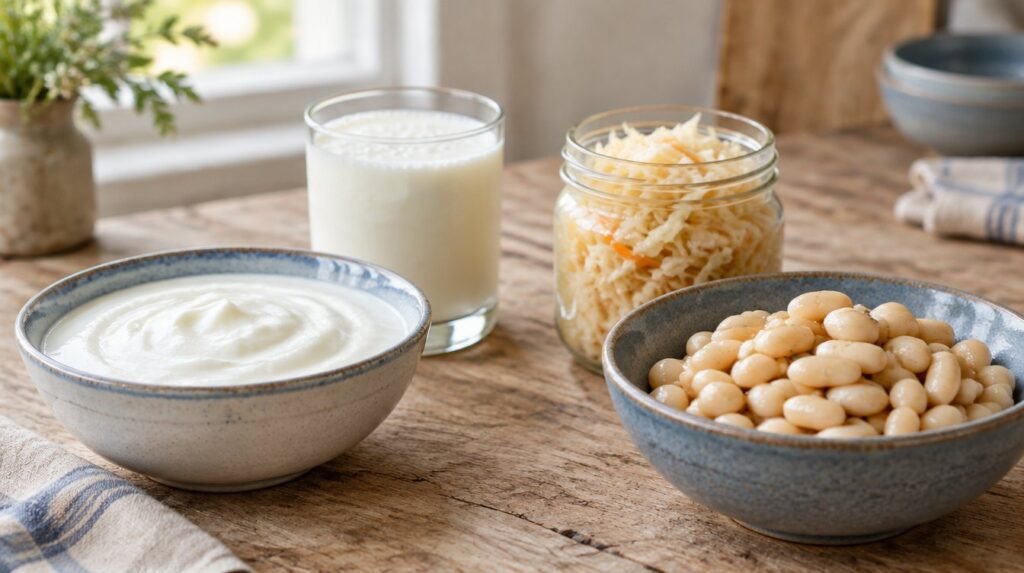
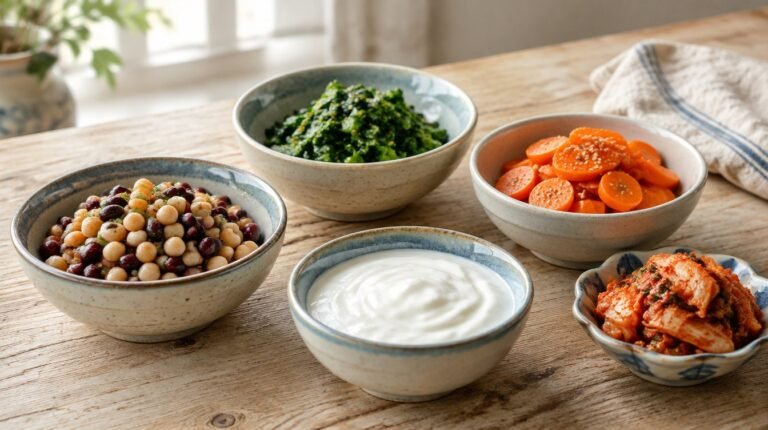
If your goal is a healthier gut in general, the strongest evidence points to food. In a 17-week Stanford study of healthy adults, a diet high in fermented foods such as yogurt, kefir and kimchi steadily raised gut microbe diversity and lowered several inflammation markers. It was a small study, with 18 people per diet group, but it tested real food in real amounts.
- Yogurt with live cultures: see our guide to the best yogurt for gut health.
- Kefir: a drinkable ferment that usually contains yeasts as well as bacteria; see kefir benefits.
- Fermented vegetables: sauerkraut and kimchi, covered in fermented foods for gut health.
- Fiber: beans, oats, vegetables and fruit feed gut microbes. If you fall short, a fiber supplement is a simple add-on.
Related topics
- Dr Gundry Supplements: the wider Gundry MD line and its evidence.
- Glutamine: what glutamine does and the doses studied.
- Gut Healing Protocol: what a realistic gut plan looks like.
- Gut Health Supplements: how other gut products compare on evidence.
- Restore Supplement: a different product with a similar name.
Sources
- Total Restore product page and Supplement Facts (Gundry MD, checked October 2026)
- Abbasi F, et al. A systematic review and meta-analysis of clinical trials on the effects of glutamine supplementation on gut permeability in adults (Amino Acids, 2024)
- Zhou Q, et al. Randomised placebo-controlled trial of dietary glutamine supplements for postinfectious irritable bowel syndrome (Gut, 2019)
- Mahmood A, et al. Zinc carnosine, a health food supplement that stabilises small bowel integrity and stimulates gut repair processes (Gut, 2007)
- Salvatore S, et al. A pilot study of N-acetyl glucosamine, a nutritional substrate for glycosaminoglycan synthesis, in paediatric chronic inflammatory bowel disease (Alimentary Pharmacology & Therapeutics, 2000)
- Raveendra KR, et al. An extract of Glycyrrhiza glabra (GutGard) alleviates symptoms of functional dyspepsia (Evidence-Based Complementary and Alternative Medicine, 2012)
- Chen C, et al. A randomized clinical trial of berberine hydrochloride in patients with diarrhea-predominant irritable bowel syndrome (Phytotherapy Research, 2015)
- Avula B, et al. Simultaneous identification and quantification by liquid chromatography of benzethonium chloride, methyl paraben and triclosan in commercial products labeled as grapefruit seed extract (Pharmazie, 2007)
- Wastyk HC, et al. Gut-microbiota-targeted diets modulate human immune status (Cell, 2021)
- Leaky Gut Syndrome (Cleveland Clinic)
- Lectins (Harvard T.H. Chan School of Public Health, The Nutrition Source)
- Licorice Root (National Center for Complementary and Integrative Health)
- Questions and Answers on Dietary Supplements (U.S. Food and Drug Administration)