Yogurt Bowl Ideas: What You Need to Know
What a yogurt bowl is
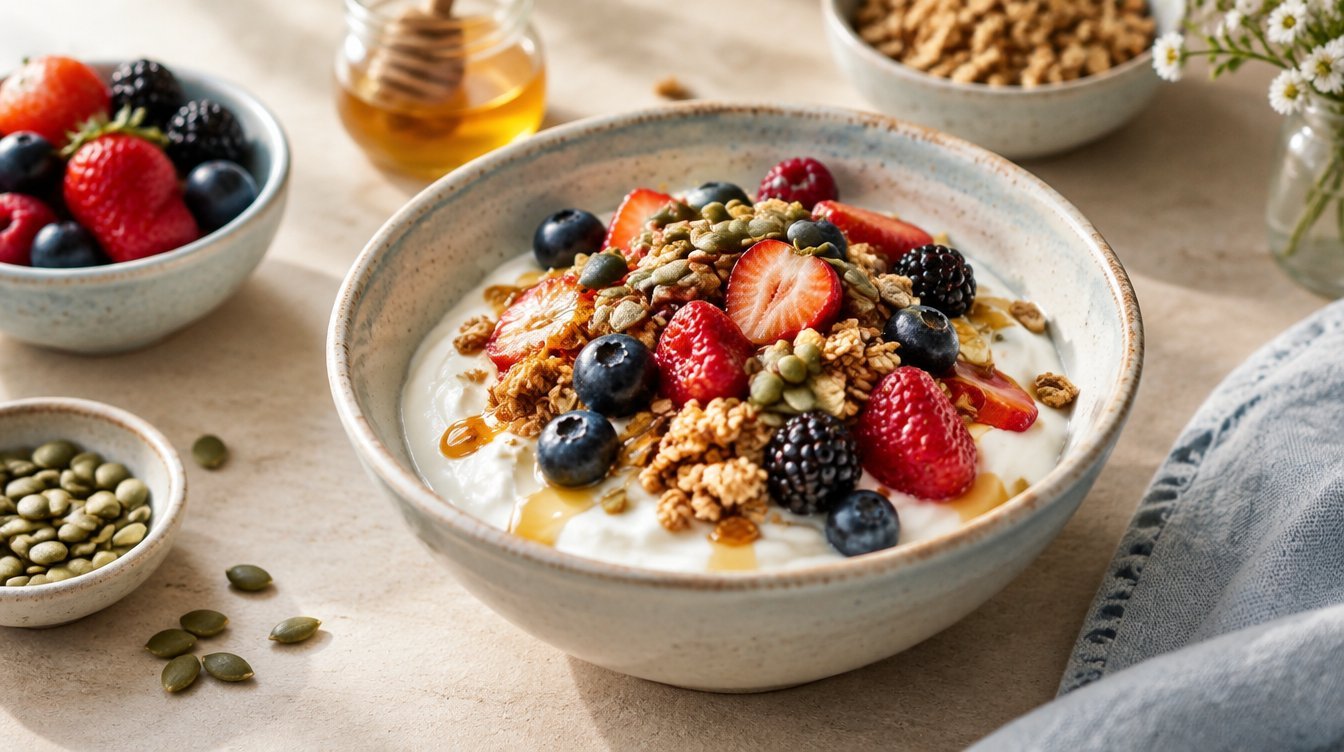
A yogurt bowl is a scoop of yogurt with toppings that turn it into a meal or snack: fruit or vegetables, something crunchy, a little fat and a finishing drizzle or seasoning. The best yogurt bowl ideas follow that simple formula, so you can make them sweet for breakfast or savory for lunch with whatever is in the fridge.
This guide covers every kind of yogurt, from regular and Greek to plant-based, plus eight bowls to try. If you want thick, high-protein Greek bowls specifically, see our Greek yogurt bowl guide.
Why yogurt bowls can fit a gut-friendly diet
The Dietary Guidelines for Americans, 2025-2030 say fermented foods and high-fiber foods support a diverse microbiome, which may be beneficial for health. A bowl puts both in one place: yogurt made with live cultures plus fruit, oats, nuts and seeds. For other fermented options, see our guide to fermented foods for gut health.
The same guidelines say that when you eat dairy, choose full-fat dairy with no added sugars. That makes the yogurt you start with the biggest decision in the bowl.
The bowl formula
- Base: 3/4 cup (about 6 oz) plain yogurt of any type.
- Fruit or vegetables: 1/2 to 1 cup, fresh, frozen and thawed, or roasted.
- Crunch: 2 to 4 tablespoons of granola, toasted oats, nuts, seeds or roasted chickpeas.
- Fat: 1 tablespoon nut butter, tahini or olive oil, or 1 to 2 tablespoons of seeds.
- Drizzle or seasoning: up to 1 teaspoon honey or maple syrup for sweet bowls; lemon, herbs, salt and spices for savory ones.
Plain vs flavored, Greek vs regular
Numbers below are for a 6-ounce (170 g) serving, calculated from USDA FoodData Central. In plain yogurt, all of the sugar is naturally present milk sugar, which the FDA does not count as added sugar. The last column is an estimate of the sugar a flavored yogurt adds beyond its plain version; in fruit styles, part of it comes from the fruit.
| Yogurt (6 oz) | Protein | Total sugars | Sugar above the plain version |
|---|---|---|---|
| Plain, whole milk | 5.9 g | 7.9 g | none |
| Plain, low fat | 8.9 g | 12.0 g | none |
| Vanilla, low fat | 8.4 g | 23.5 g | about 11.5 g |
| Fruit, low fat | 7.4 g | 32.3 g | about 20 g |
| Greek, plain, whole milk | 15.3 g | 6.8 g | none |
| Greek, plain, nonfat | 17.3 g | 5.5 g | none |
| Greek, vanilla, nonfat | 14.7 g | 16.2 g | about 10.7 g |
| Greek, strawberry, nonfat | 13.7 g | 19.2 g | about 13.7 g |
Two patterns stand out. Greek yogurt has roughly twice the protein of regular yogurt, and flavored yogurts carry far more sugar than plain ones. The 2025-2030 guidelines say no amount of added sugars is recommended or considered part of a healthy diet, and that one meal should contain no more than 10 grams of added sugars. A single 6-ounce vanilla yogurt can reach that limit before you add a topping.
Honey and maple syrup count as added sugars too. A tablespoon of honey has about 17 g of sugar and a tablespoon of maple syrup about 12 g, so a teaspoon (a third of a tablespoon) of either keeps a plain-yogurt bowl under the limit. For any yogurt, including plant-based ones, the Added Sugars line on the Nutrition Facts label shows what was added.
8 yogurt bowl ideas

1. Berry-oat bowl
- 3/4 cup plain yogurt
- 1/2 cup raspberries and 1/2 cup blueberries
- 3 tablespoons rolled oats, toasted in a dry skillet for 3 to 4 minutes
- 1 tablespoon ground flaxseed
- 1 teaspoon maple syrup (optional)
2. Tahini-date bowl
- 3/4 cup plain whole-milk or Greek yogurt
- 1 tablespoon tahini
- 1 Medjool date, pitted and chopped
- 1 tablespoon chopped almonds or pistachios
- Pinch of cinnamon and flaky salt
3. Peanut butter-banana bowl
- 3/4 cup plain Greek yogurt
- 1 tablespoon peanut butter, or 2 tablespoons peanut butter powder stirred in (see our Greek yogurt and peanut butter powder guide)
- 1 small banana, sliced
- 2 teaspoons chia seeds
- 1 teaspoon cacao nibs
4. Apple-walnut bowl
- 3/4 cup plain yogurt
- 1/2 cup diced apple or pear, raw or cooked in a skillet for 3 minutes
- 2 tablespoons chopped walnuts
- 2 tablespoons granola
- 1/4 teaspoon cinnamon
5. Tropical bowl
- 3/4 cup plain yogurt or unsweetened coconut yogurt
- 1/2 cup diced mango and 1/4 cup diced pineapple
- 1 tablespoon unsweetened coconut flakes
- 1 tablespoon pumpkin seeds
- Grated zest of 1/2 lime
6. Cucumber-herb bowl (savory)
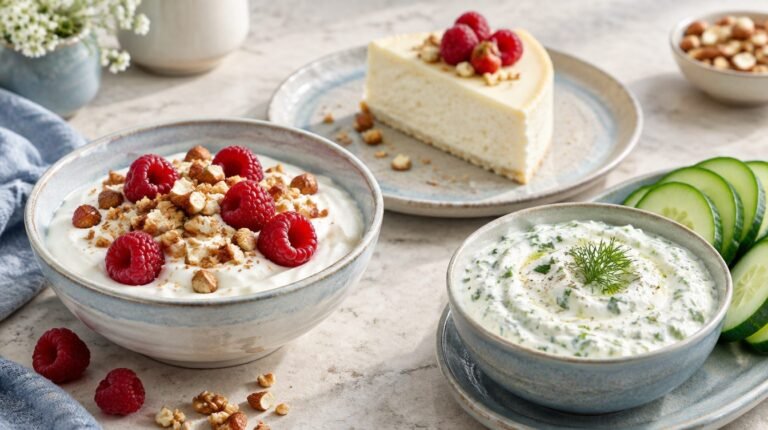
- 3/4 cup plain Greek yogurt mixed with 1/2 small grated garlic clove and a pinch of salt
- 1/2 cup diced cucumber and 1/4 cup halved cherry tomatoes
- 1 tablespoon chopped dill or mint
- 1 tablespoon olive oil and a squeeze of lemon
- Whole-grain pita or crackers on the side
7. Crispy chickpea bowl (savory)
- 3/4 cup plain yogurt seasoned with lemon juice and salt
- 1/2 cup chickpeas, patted dry and roasted at 425°F for 20 to 25 minutes
- 1/2 cup roasted sweet potato or red onion
- 1 teaspoon olive oil with a pinch of cumin and smoked paprika
- 1 tablespoon chopped parsley
8. Egg and greens bowl (savory)
- 3/4 cup plain yogurt
- 1 cup spinach or kale, sauteed for 2 minutes
- 1 boiled or fried egg
- 2 tablespoons kimchi (optional)
- 1 teaspoon toasted sesame seeds and a pinch of chili flakes
For more savory ideas, see our savory Greek yogurt recipes.
Fiber toppings compared
Yogurt has no fiber, so the toppings supply it. The FDA Daily Value for fiber is 28 g. Values are calculated from USDA FoodData Central.
| Topping | Amount | Fiber |
|---|---|---|
| Chia seeds | 1/2 oz (14 g) | 4.9 g |
| Raspberries | 1/2 cup | 4.0 g |
| Almonds | 1 oz | 3.5 g |
| Banana | 1 medium | 3.1 g |
| Chickpeas, cooked | 1/4 cup | 3.1 g |
| Rolled oats, dry | 1/3 cup | 2.7 g |
| Pear | 1/2 cup cubes | 2.5 g |
| Ground flaxseed | 1 tablespoon | 1.9 g |
| Walnuts | 1 oz | 1.9 g |
| Blueberries | 1/2 cup | 1.8 g |
| Medjool date | 1 date | 1.6 g |
Combining two or three of these, such as raspberries, oats and flaxseed, puts a bowl above 8 g of fiber.
Using homemade yogurt
Homemade plain yogurt is a natural base because nothing is added unless you add it. Our guide to making yogurt at home covers the basics. For a thicker, spoonable base that holds heavy toppings, strain it into Greek-style yogurt, and see how long homemade yogurt lasts before you prep a week of bowls.
Meal prep and storage
- Keep crunch separate. Granola, nuts and toasted oats go soft in yogurt, so pack them in a small container and add them when you eat.
- Let some toppings soak on purpose. Raw oats and chia seeds soften overnight in yogurt, which works well if you like a pudding texture.
- Refrigerate promptly. USDA’s Food Safety and Inspection Service advises refrigerating cooked food within 2 hours (1 hour above 90°F) and keeping the fridge at 40°F or below.
- Use cooked toppings within 3 to 4 days. FSIS gives that window for refrigerated leftovers, which covers roasted chickpeas, vegetables and eggs.
- Assemble savory bowls close to serving. Cucumber and tomatoes release water, so add them last.
Related topics
- Greek Yogurt Bowl: high-protein bowls built on Greek yogurt.
- Greek Yogurt and Peanut Butter Powder: a lower-fat peanut flavor for bowls.
- Plain Yogurt Recipes You Can Make at Home: more ways to use plain yogurt.
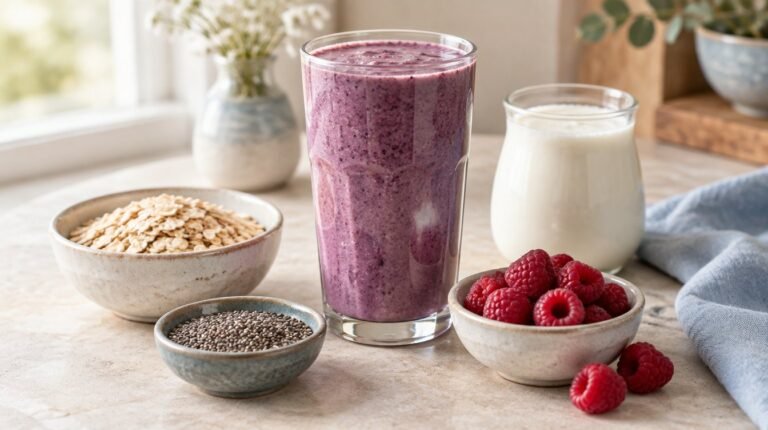
- Yogurt Smoothie: the same ingredients, blended.
- Homemade Yogurt Nutrition: what is in the yogurt you make.
Sources
- Dietary Guidelines for Americans, 2025-2030 (U.S. Department of Agriculture and U.S. Department of Health and Human Services)
- Added Sugars on the Nutrition Facts Label (U.S. Food and Drug Administration)
- Daily Value on the Nutrition and Supplement Facts Labels (U.S. Food and Drug Administration)
- Leftovers and Food Safety (USDA Food Safety and Inspection Service)
- Yogurt, plain, whole milk (FDC ID 171284) (USDA FoodData Central)
- Yogurt, plain, low fat (FDC ID 170886) (USDA FoodData Central)
- Yogurt, vanilla, low fat (FDC ID 170888) (USDA FoodData Central)
- Yogurt, fruit, low fat, 10 grams protein per 8 ounce (FDC ID 171285) (USDA FoodData Central)
- Yogurt, Greek, plain, whole milk (FDC ID 171304) (USDA FoodData Central)
- Yogurt, Greek, plain, nonfat (FDC ID 170894) (USDA FoodData Central)
- Yogurt, Greek, vanilla, nonfat (FDC ID 170902) (USDA FoodData Central)
- Yogurt, Greek, strawberry, nonfat (FDC ID 170901) (USDA FoodData Central)
- Honey (FDC ID 169640) (USDA FoodData Central)
- Syrups, maple (FDC ID 169661) (USDA FoodData Central)
- Seeds, chia seeds, dried (FDC ID 170554) (USDA FoodData Central)
- Raspberries, raw (FDC ID 167755) (USDA FoodData Central)
- Nuts, almonds (FDC ID 170567) (USDA FoodData Central)
- Bananas, raw (FDC ID 173944) (USDA FoodData Central)
- Chickpeas, mature seeds, cooked, boiled, without salt (FDC ID 173757) (USDA FoodData Central)
- Cereals, oats, regular and quick, not fortified, dry (FDC ID 173904) (USDA FoodData Central)
- Pears, raw (FDC ID 169118) (USDA FoodData Central)
- Seeds, flaxseed (FDC ID 169414) (USDA FoodData Central)
- Nuts, walnuts, english (FDC ID 170187) (USDA FoodData Central)
- Blueberries, raw (FDC ID 171711) (USDA FoodData Central)
- Dates, medjool (FDC ID 168191) (USDA FoodData Central)