What to Eat When Your Stomach Hurts from Gas? A Clear Answer
What should you eat when your stomach hurts from gas?
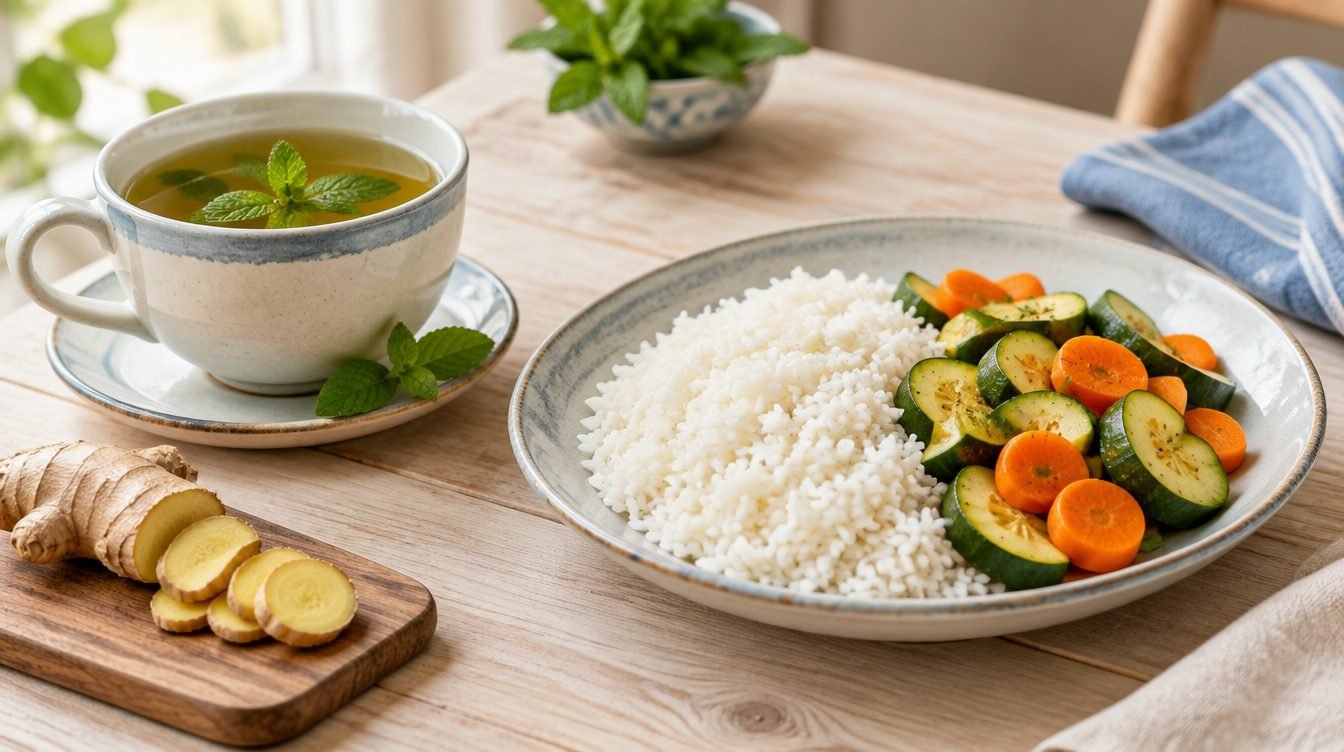
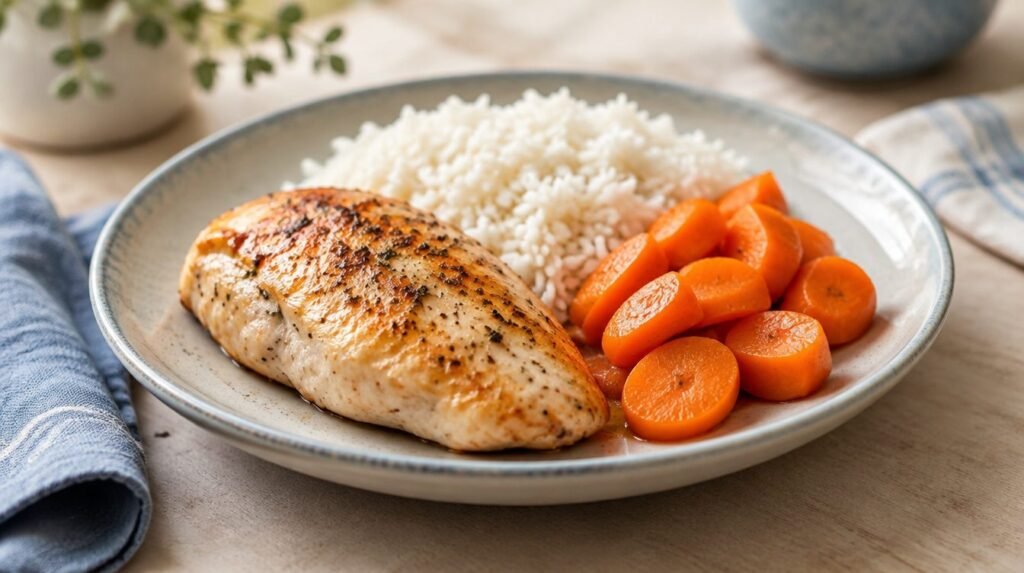
When gas is making your stomach hurt, eat small, plain meals built from foods that tend to make less gas, such as white rice, oatmeal, potatoes, eggs, chicken, fish, carrots and firm bananas. For a day or two, cut back on beans, cabbage-family vegetables, fizzy drinks, sugar-free sweets, fatty meals and, if you are lactose intolerant, milk.
Why gas makes your stomach hurt
Gas gets into your digestive tract in two ways, according to the National Institute of Diabetes and Digestive and Kidney Diseases (NIDDK). You swallow air when you eat and drink, and bacteria in your large intestine make gas as they break down carbohydrates that your stomach and small intestine did not fully digest.
Most of that gas leaves by burping or passing gas. When it builds up, your belly can feel bloated or look swollen (distended), and NIDDK notes that some people feel abdominal discomfort or pain along with it.
Mayo Clinic describes gas pain as cramps or a knotted feeling in the stomach, and Cleveland Clinic says it can be sharp and stabbing or a dull ache. Never assume chest pain is gas; see the warning signs below.
Gentle, lower-gas foods to lean on
No food is gas-free, and triggers differ from person to person. A useful starting point is the low-FODMAP food list from the American College of Gastroenterology (ACG). FODMAPs are carbohydrates that gut bacteria readily ferment. The choices below come from the ACG’s lower-FODMAP list and also avoid the gas triggers named by NIDDK and the NHS.
| Food group | Gentler choices |
|---|---|
| Grains and starches | White rice, oatmeal, potatoes, quinoa, sourdough bread |
| Protein | Eggs, chicken, turkey, fish, firm tofu |
| Vegetables (cooked) | Carrots, spinach, eggplant, cucumber, tomatoes |
| Fruit | Firm (less ripe) bananas, blueberries, grapes, kiwifruit, oranges, pineapple |
| Dairy and alternatives | Most hard cheeses, almond milk |
| Drinks | Water; plain peppermint tea if you like it |
Portion size matters: the ACG notes that some foods shift from low to high FODMAP as the serving grows. The full low-FODMAP diet is a structured plan for irritable bowel syndrome (IBS), not something to start over one gassy evening.
For more ideas, see our list of easy to digest foods. Yogurt is a mixed case: it contains lactose and appears on NIDDK’s list of dairy foods that can cause gas, so whether it suits you depends on how you handle dairy. We cover that in Is Yogurt Good for an Upset Stomach?
What to avoid for a day or two
These foods are not bad for you, and many are part of a healthy diet. They are simply the ones most often linked with extra gas.
- Beans, lentils and peas: legumes are on NIDDK‘s list of foods that commonly cause gas.
- Cruciferous vegetables: broccoli, cauliflower, cabbage, Brussels sprouts, kale and collard greens (NIDDK, NHS).
- Carbonated drinks and beer: the NHS lists both as gas triggers, and fizzy drinks add swallowed air.
- Sugar alcohols: sweeteners ending in “-ol,” such as sorbitol and xylitol, found in sugar-free gum and candy (NIDDK).
- Lactose, if you are intolerant: milk and ice cream are common sources, and NIDDK suggests reducing lactose if lactose intolerance is the cause.
- Fatty meals: high-fat foods can increase bloating in some people (NIDDK).
- Certain fruits and sweet drinks: apples, pears, peaches, dried fruit, fruit juice and drinks sweetened with high-fructose corn syrup (NIDDK, NHS).
NIDDK also notes that too much fiber can mean more gas. When you feel better, bring these foods back one at a time, in small amounts; a food and symptom diary can show which ones bother you. Our guide to foods that are hard to digest goes further.
Eating habits that reduce swallowed air
Swallowed air is the usual source of gas in the stomach, Mayo Clinic says. These habits come from NIDDK and the NHS:
- Eat more slowly, and sit down to eat.
- Chew with your mouth closed, and avoid talking while you eat or drink.
- Eat smaller meals more often instead of one large one.
- Skip chewing gum, hard candy and drinking through a straw.
- If you wear dentures, ask your dentist to check that they fit well.
- If you smoke, talk with your doctor about ways to quit.
Do peppermint tea or ginger help?
Peppermint tea is a common home remedy, and the NHS lists it as something to try for gas. The research behind it is thin. The National Center for Complementary and Integrative Health (NCCIH) says very little research has been done on peppermint leaf and there is not enough evidence to say whether it helps any health condition, though peppermint tea appears to be safe.
The stronger evidence is for enteric-coated peppermint oil capsules in IBS, which a 2022 review found better than placebo for overall symptoms and abdominal pain, NCCIH reports. That is a specific product for a diagnosed condition, and it can cause heartburn.
Ginger has a similar story. In a small randomized trial of 11 people with functional dyspepsia (ongoing indigestion), ginger capsules sped up stomach emptying but did not change symptoms compared with placebo. NCCIH notes that ginger can itself cause abdominal discomfort and heartburn and can interact with some medicines. A cup of ginger or peppermint tea is a reasonable comfort measure, not a proven fix.
When to see a doctor
Talk with a doctor if:
- Your gas symptoms bother you or change suddenly (NIDDK).
- Gas comes with abdominal pain, constipation, diarrhea or weight loss you cannot explain (NIDDK, NHS).
- You see blood in your stool, or your stool or bowel habits change (Mayo Clinic).
- You have ongoing or repeated nausea or vomiting (Mayo Clinic).
Get care right away for sudden, severe abdominal pain, which the NHS treats as an emergency, or for prolonged abdominal pain or chest pain, which Mayo Clinic lists as reasons for immediate care. This article is general information, not medical advice, and it cannot tell you what is causing your pain.
Frequently asked questions
Is it OK to eat when gas is making my stomach hurt?
For most people, small, plain meals are fine and may sit better than one large meal. Eating slowly and sitting down also cuts down on swallowed air (NIDDK).
Does peppermint tea help with gas?
The NHS suggests it and it appears safe, but there is too little research on peppermint leaf to know whether it helps (NCCIH).
Should I stop eating fiber when I have gas?
Not for long. Some people get more gas from too much fiber, so cut back briefly, then bring high-fiber foods back slowly (NIDDK).
When is gas pain an emergency?
Prolonged abdominal pain or chest pain needs immediate care (Mayo Clinic). Do not assume chest pain is gas.
Related topics
- Easy to Digest Foods: more gentle meal ideas while your gut settles.
- Upset Stomach Remedies: home measures and how strong the evidence is for each.
- What to Eat When You Have Diarrhea: for when gas comes with loose stools.
- Foods That Are Hard to Digest: which foods to bring back slowly.
- Diet for a Sensitive Stomach: longer-term eating patterns for a touchy gut.
- What to Eat When Your Stomach Is Upset: the broader guide to settling your stomach.
Sources
- Symptoms & Causes of Gas in the Digestive Tract (National Institute of Diabetes and Digestive and Kidney Diseases)
- Eating, Diet, & Nutrition for Gas in the Digestive Tract (National Institute of Diabetes and Digestive and Kidney Diseases)
- Treatment for Gas in the Digestive Tract (National Institute of Diabetes and Digestive and Kidney Diseases)
- Gas and gas pains: Symptoms and causes (Mayo Clinic)
- Gas and Gas Pain (Cleveland Clinic)
- Low-FODMAP Diet (American College of Gastroenterology)
- Farting (flatulence) (NHS)
- Peppermint Oil (National Center for Complementary and Integrative Health)
- Ginger (National Center for Complementary and Integrative Health)
- Hu ML, et al. Effect of ginger on gastric motility and symptoms of functional dyspepsia (World Journal of Gastroenterology, 2011)
This article is for general information and is not medical advice. Talk to your doctor or a registered dietitian before changing your diet, supplements or medication, especially if you have a health condition.