Plant Milk Would Not Thicken: Causes and Fixes
Why almond, oat and coconut milk stay runny when you culture them, how to fix the next batch, and when to throw it out.

Everything you need to make yogurt at home: equipment, milk, temperatures, timing and step-by-step methods for consistent results.
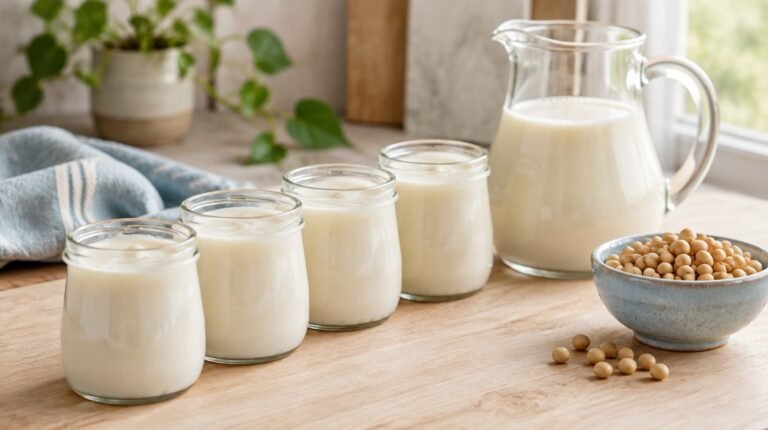
Why almond, oat and coconut milk stay runny when you culture them, how to fix the next batch, and when to throw it out.

Runny homemade yogurt usually means the milk was not heated long enough. Here are the fixes, the other causes and how to rescue a thin batch.

Homemade yogurt that tastes too sour usually incubated too long or too warm. Here is how to get a milder batch and when sourness is a warning sign.

Water dripping into yogurt jars comes from warm vapor meeting a cooler lid. Here is how to keep it off the yogurt and when a batch is still fine.

Milk boiled over, jars spilled, or yogurt rose in the jar? How to tell which overflow you have, how to fix it, and when to toss it.

Why homemade yogurt separates into curds and whey, how to rescue the batch, and the signs that mean it should go in the trash.

Homemade yogurt still liquid after incubation? Here is what usually went wrong, how to fix it, and when to throw the batch out.

Greek yogurt can cause gas in lactose-sensitive people, but straining and live cultures make it one of the gentler dairy foods.

A sourced reference table of fermentation times by culture, from 4-hour yogurt starters to 24- to 48-hour probiotic and kefir ferments.
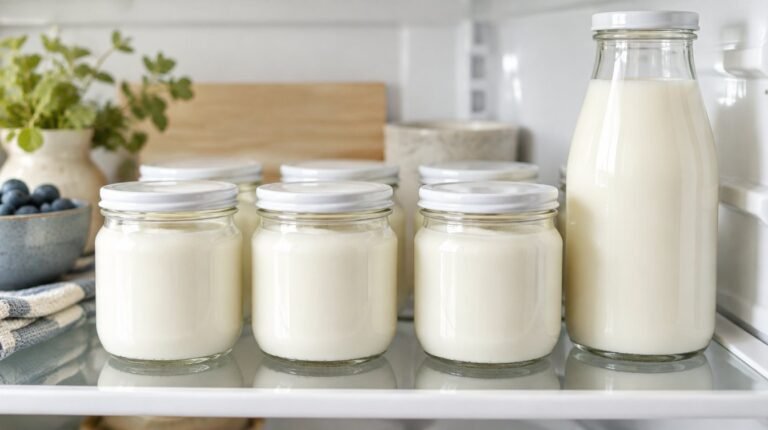
How long homemade yogurt keeps, what happens to its live cultures in the fridge and freezer, and how to re-culture a starter.