Dr. Gundry Supplements: A Buyer’s Guide
What is in Bio Complete 3, PrebioThrive and Total Restore, how the doses compare with the research, and what each costs per serving.

Probiotic supplements and foods compared on what matters: strains, CFU counts, the evidence behind them and cost per serving. Competitors are covered fairly, and we disclose it whenever a product is ours.

What is in Bio Complete 3, PrebioThrive and Total Restore, how the doses compare with the research, and what each costs per serving.

What Konsyl publishes about its Gut Health fiber gummies, how 3 g of fiber stacks up, and what we couldn’t verify.
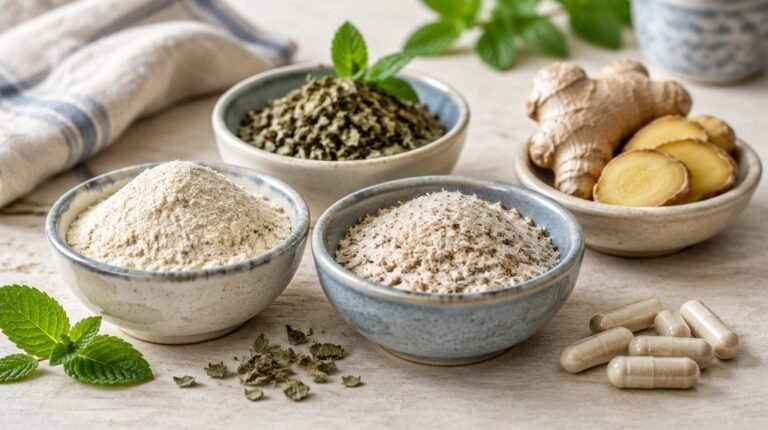
What USDA Organic means on a gut supplement, how it differs from USP or NSF testing, and what the evidence says for common organic ingredients.
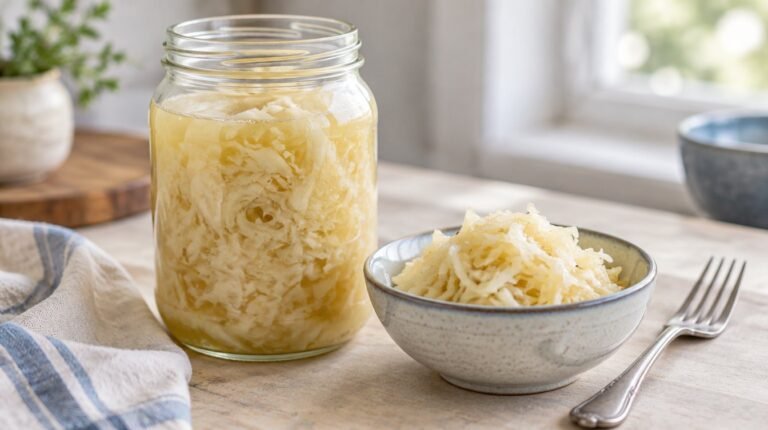
Canned sauerkraut is heat-processed, so its bacteria are dead. How to find raw kraut, what canned still offers, and home fermenting basics.

What’s in Goli’s Pre+Post+Probiotic gummy, how much sugar it has, and what research says about DE111, MCC1849 and XOS.

Coffee has no live bacteria, so it is not a probiotic. What its fiber and polyphenols may do for gut microbes, and the caffeine limits.

Fish oil, curcumin, fiber, probiotics, glutamine, zinc carnosine, butyrate and collagen, ranked by human evidence on gut inflammation.

Probiotic research for acne is early and small. We compare the strains studied for skin, rate the evidence and explain when to see a dermatologist.
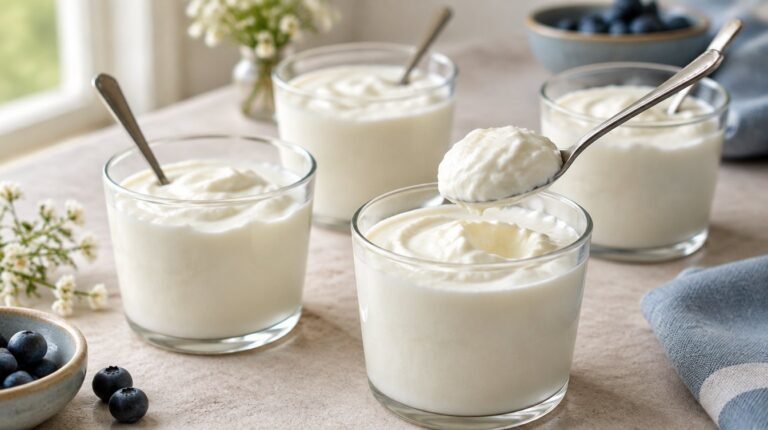
All yogurt is made with live cultures, but heat-treated yogurt loses them, and few strains are proven probiotics. How to read the label.

Probiotic and fiber gummies explained: why most use Bacillus spores, what six labels list for strain, CFU and sugar, and who should be careful.